#ifarmitmyway
Home » Product World » Master series » VARIO-Master V140
Baling corn silage with the variable round baler
Baler-wrapper combination | VARIO-Master V140
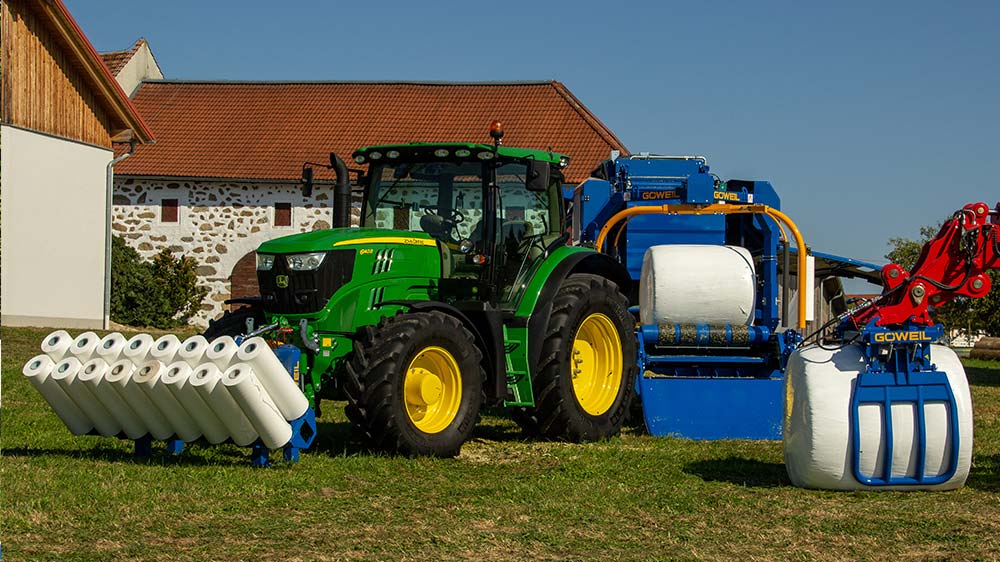
The VARIO-Master V140 baler-wrapper is capable of turning a large number of materials including maize, CCM, alfalfa, sugar beet pulp, grain, mixed feed, hemp into perfectly shaped round bales. The adjustable bale chamber produces highly compressed bales with a diameter of 80 – 140 cm. The seamless workflow ensures maximum compression and rapid air removal.
Highlights VARIO-Master V140
Hydraulically powered variable bale chamber
With the hydraulically driven, variable bale chamber, bale sizes between 80 and 140 cm can be produced. This is a great advantage both in bale logistics and in feeding operations. Four different speed levels can be selected for the baling and binding process.
Multicrop feeder
In order to better process the many different materials, the feeder has been equipped with a dosing drum.
PROFI plus L terminal
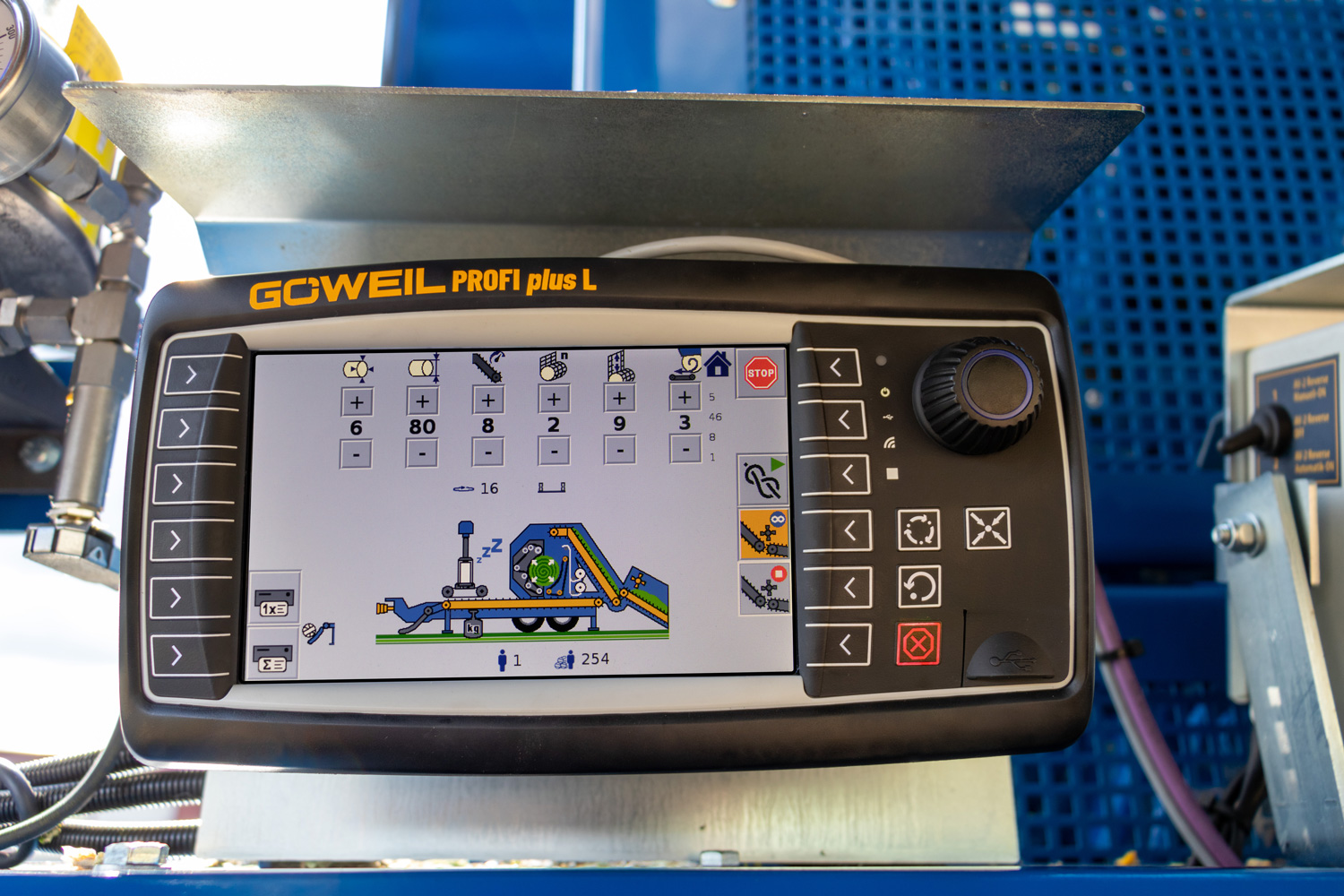
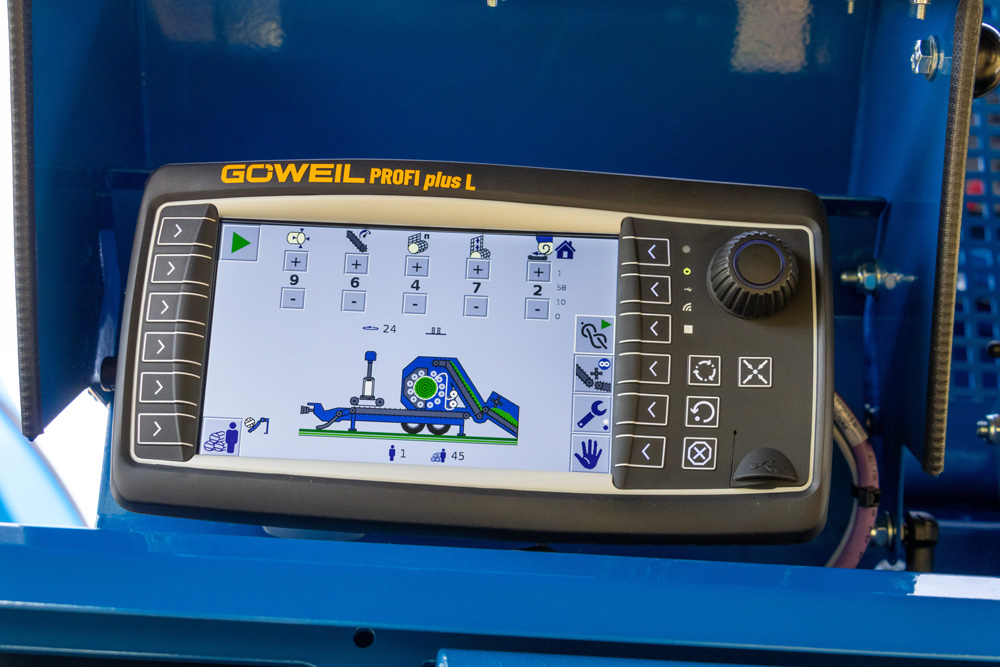
The VARIO-Master V140 is operated with the PROFI plus L handset. The user interface is structured intuitively and enables easy operation of the machine.
Fast and agileThe pivoting drawbar can swivel up to 30° on either side. This provides a tight turning radius and allows the machine to be powered from either side.
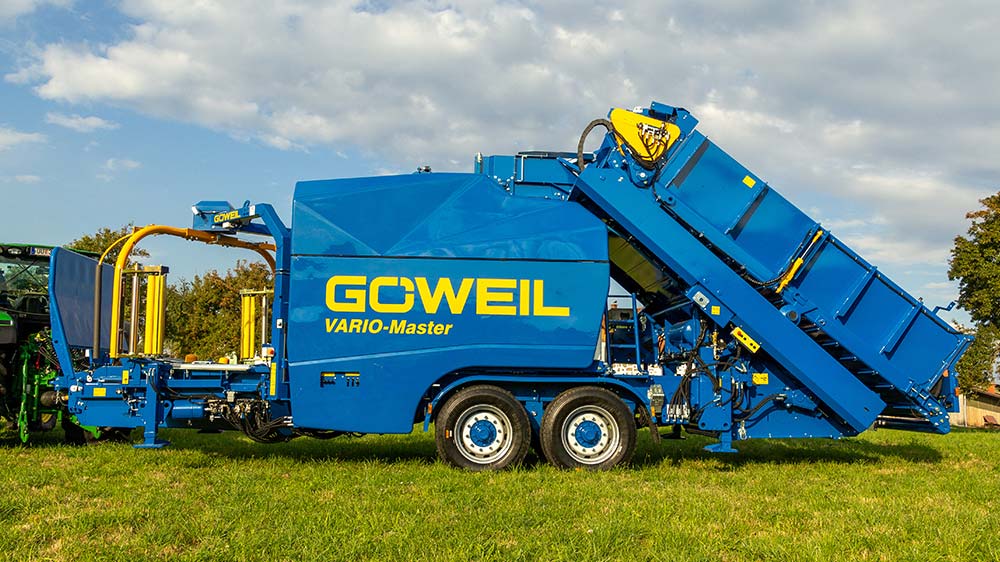
Sophisticated brake systemA dual-line air brake system is fitted as standard.
Machine set-upA major plus! The machine is ready for use in around three minutes.
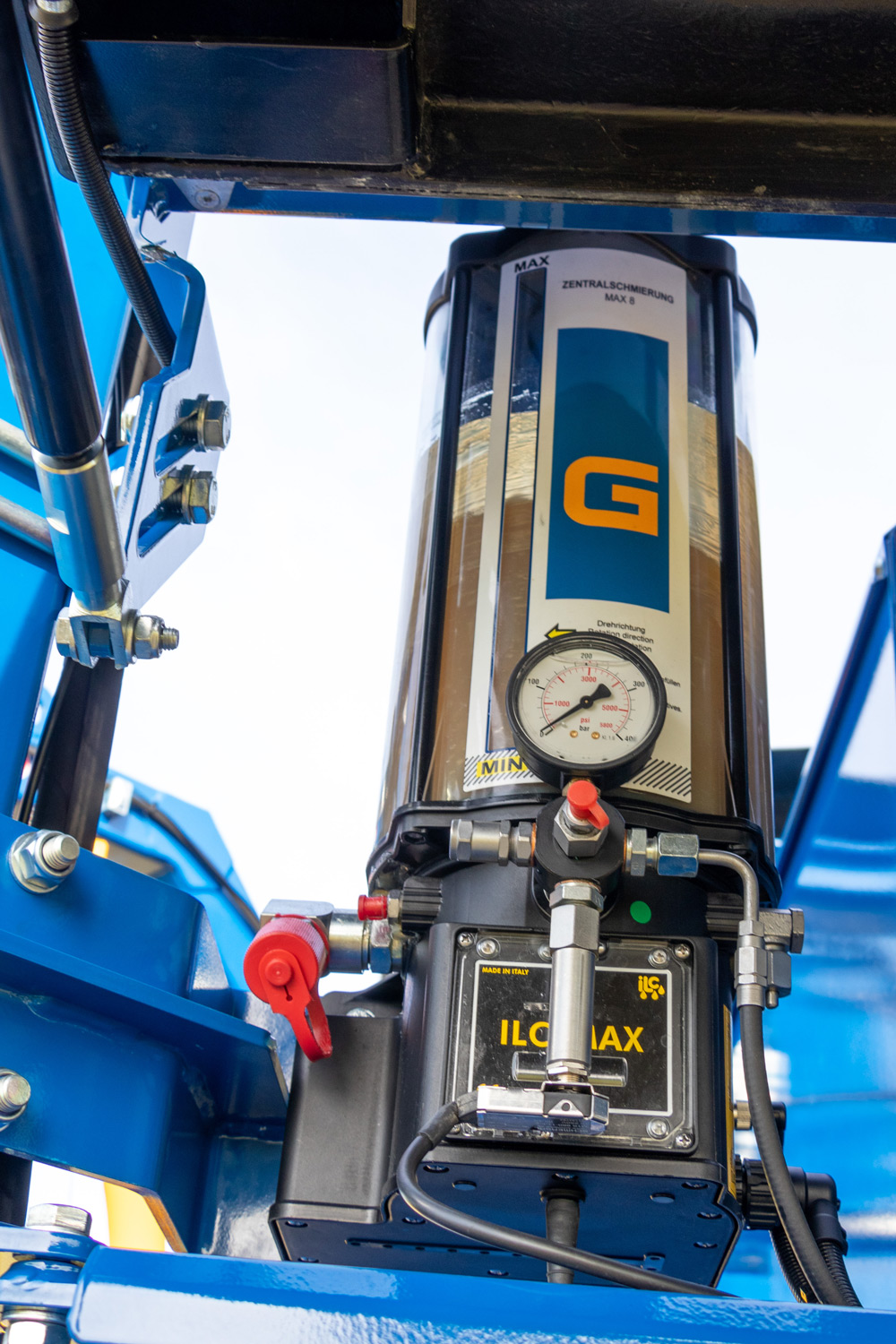
Well lubricatedThe central lubrication continuously supplies the main lubrication points with grease and oil. This ensures a very long service life and minimal wear and tear.
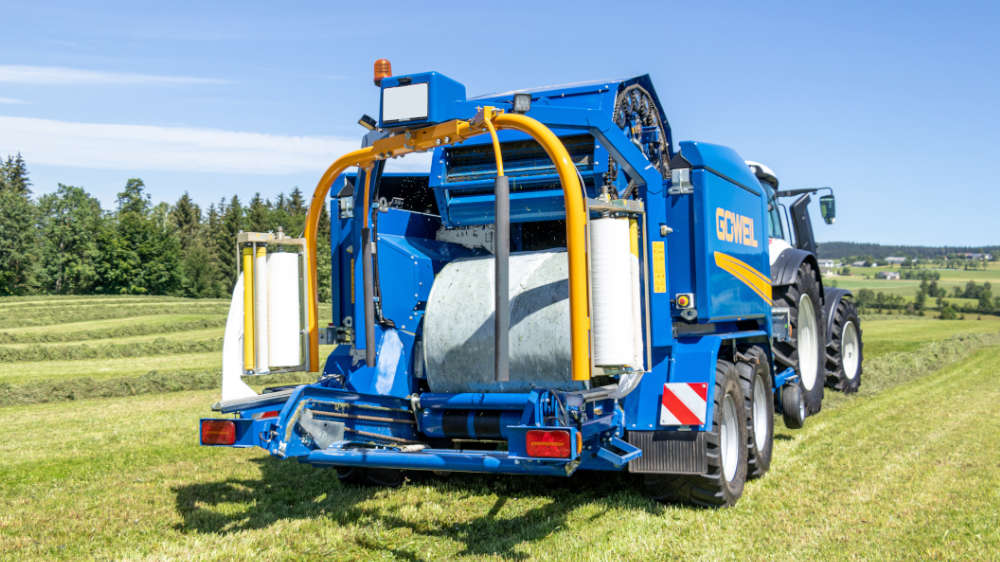
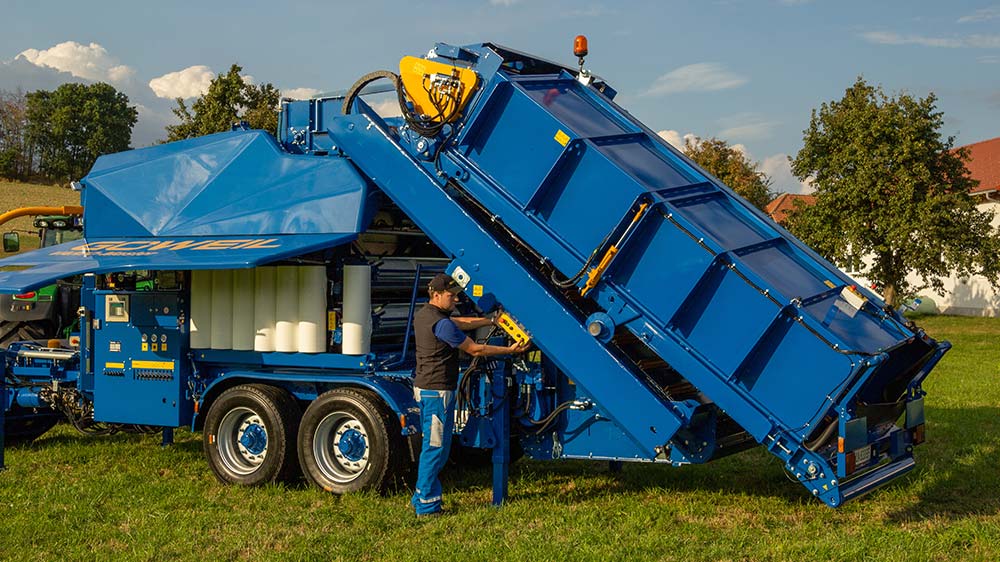
Never run shortThanks to the hydraulically folding film storage holding up to 19 rolls of film, the VARIO-Master V140 is ideally suited to long workdays.
No distance too farAs a result of the 80 km/h chassis all work sites can be reached quickly, no matter whether this is with the tractor or truck. The VARIO-Master V140 has an EU type-approval.
LED work lightsThe LED work lights provide the VARIO-Master V140 with perfect illumination, even when it is used at night.Reermann Agrarservice in action with two G-1 F125 Kombi units
A Powerful One-Two Punch for Forage Harvesting: The Reermann Agrarservice contracting company from Brilon serves its customers with two GÖWEIL baler-wrapper combinations. Although there is a wide selection of round balers available, the service provider deliberately chose the blue machines from Austria. In this video, we’ll take a look with you at how this came about and what the technology is capable of under these demanding, continuous operating conditions. Come along and join the forage harvesting pros from the Sauerland as they go about their work!
“We decided to go with the GÖWEIL wrapper again, and this time with the baler built in – which totally blew us away from a technical standpoint!”

Stefan Reermann
Agricultural Service Specialist from the Sauerland Region
Video VARIO-Master V140
Workflow
Feed Pick-Up
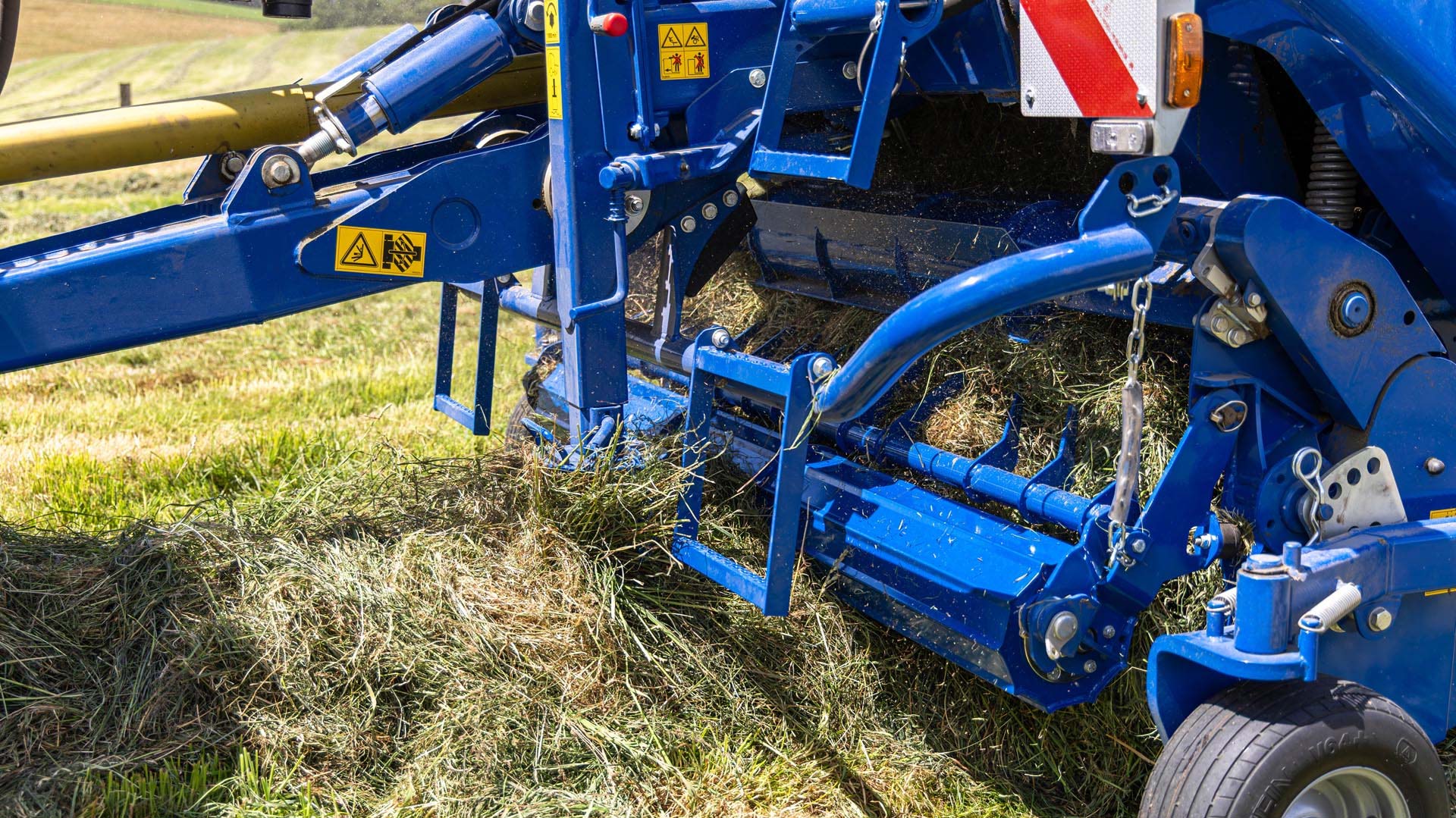
The feed is scooped up by the pickup of the baler and shaped into a bale in the bale chamber.
Bale transfer
➡ Direct bale transfer: quick, clean and straightforward
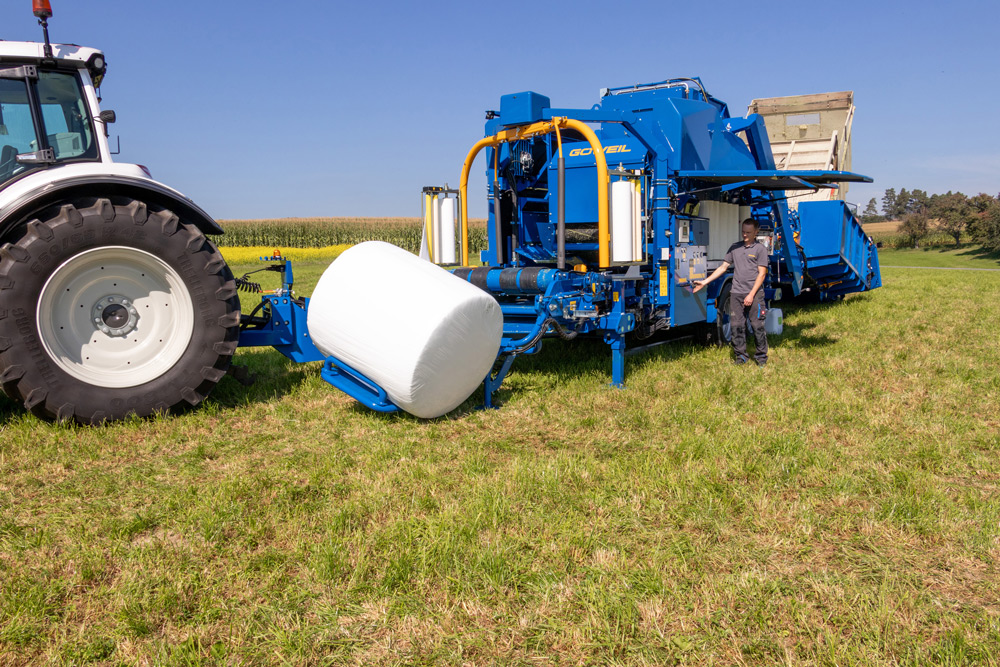
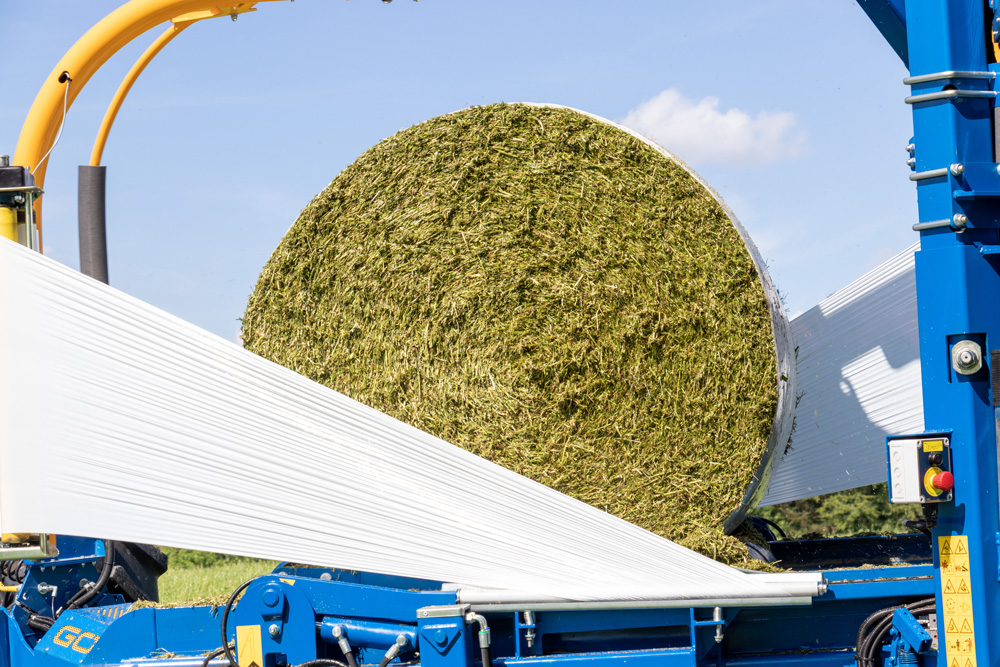
The wrapping table moves under the bale chamber. Once fully wrapped, the bale is transferred from the bale chamber to the wrapping table – without ever touching the ground.
➡ Secure bale guiding even in slope positions.
The four bale guide rollers ensure that the bales are guided along securely. This guarantees that the bale is transferred in a secure and reliable manner – even in slope positions. The transfer itself merely takes a few seconds. The tailgate already closes while the wrapping table is moving to the wrapping position. The baling process can continue without any interruption.
Wrapping Process
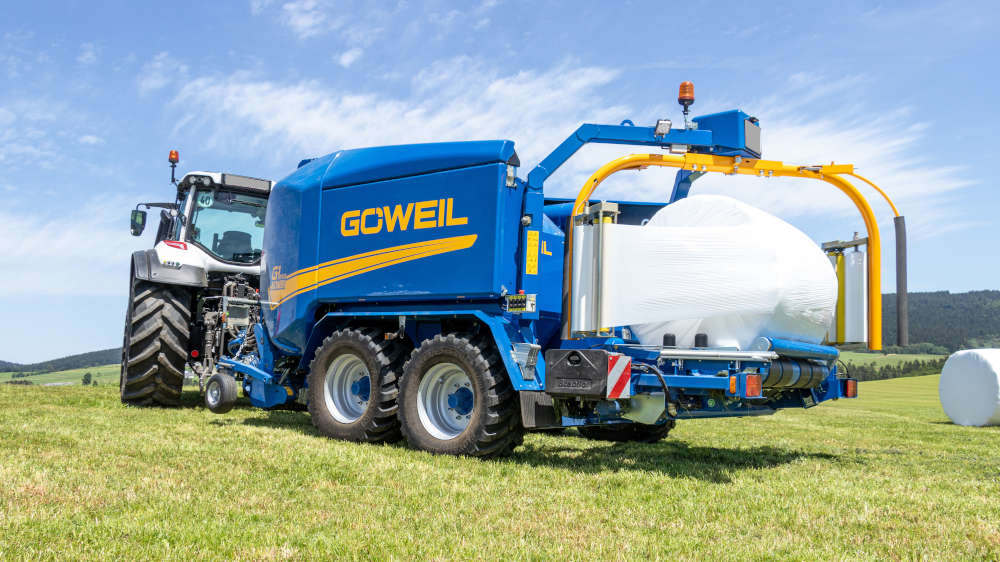
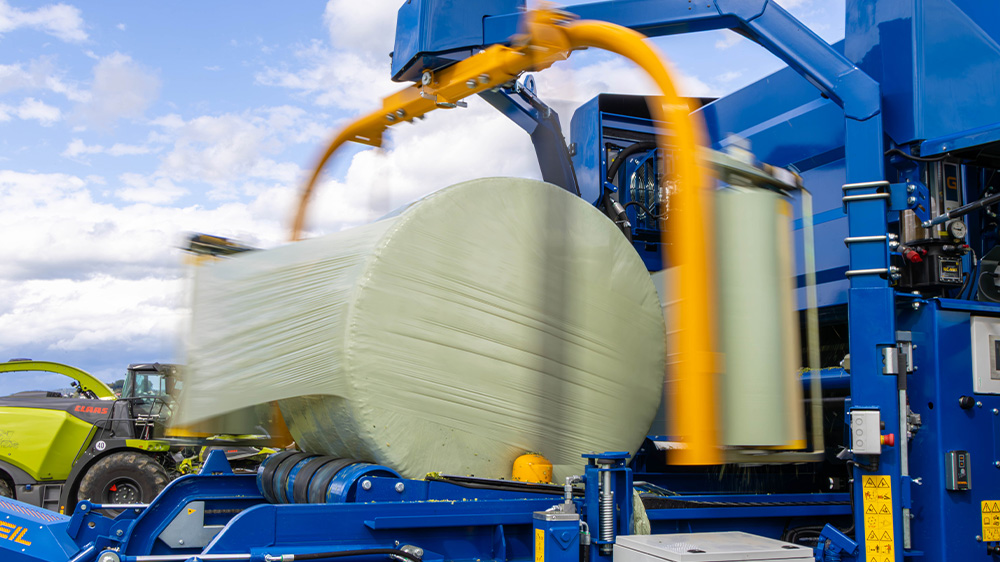
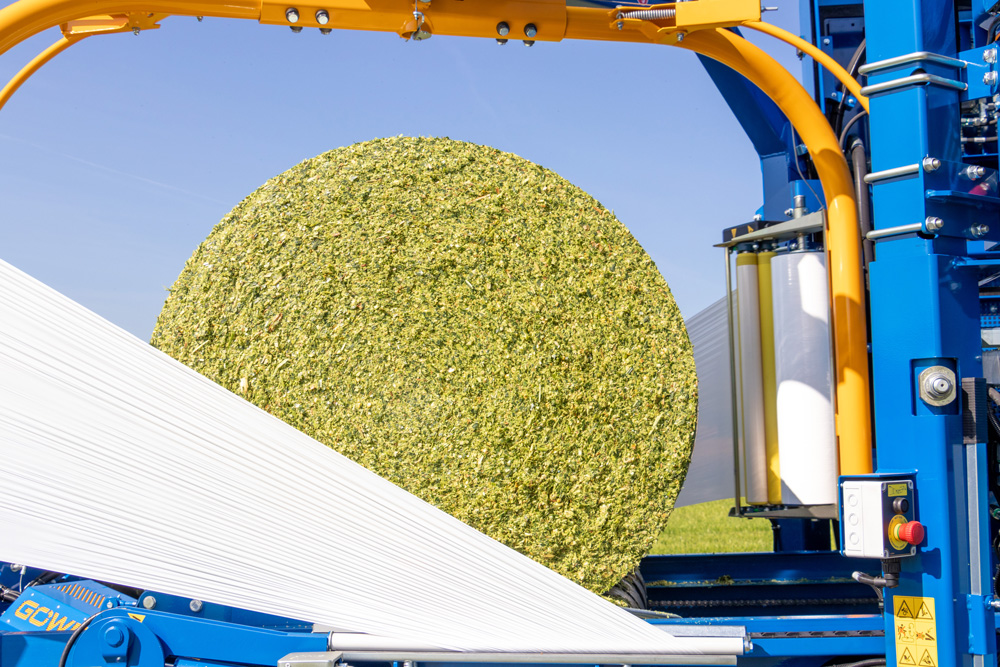
The twin wrapping arm and the two 750 mm film stretching units ensure that the bale is wrapped in no time at all. The wrapping process will always be finished faster than the baling process. Since always guided securely, the bale is wrapped perfectly even in slope positions.
Bale delivery
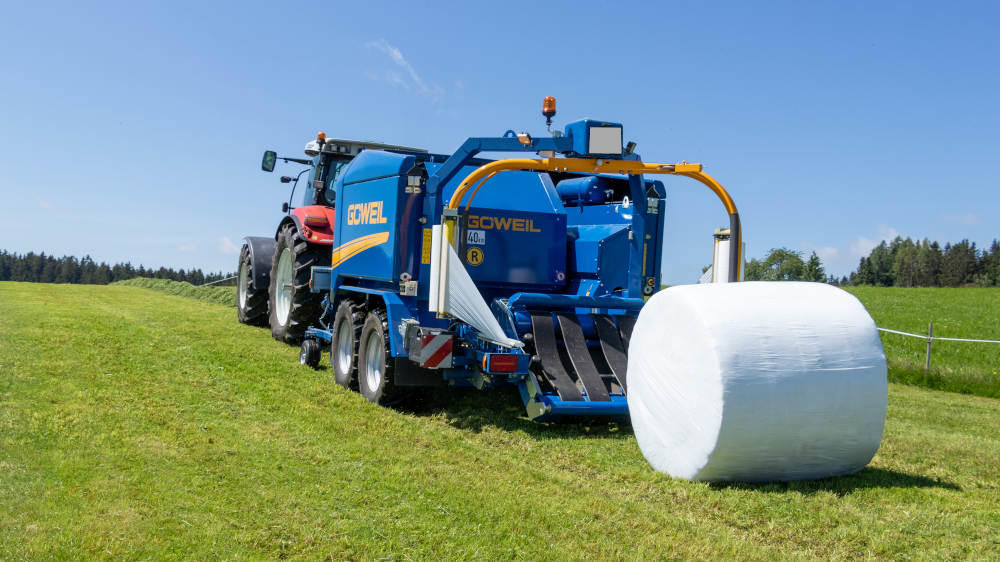
Once the round bale is fully wrapped, the film is cut off. When the bale is dropped, the wrapping table moves to the rear and lowers all the way to the ground. This provides for a gentle deposit of the bales.
Feeding system & dosing highlights
Low-profile design
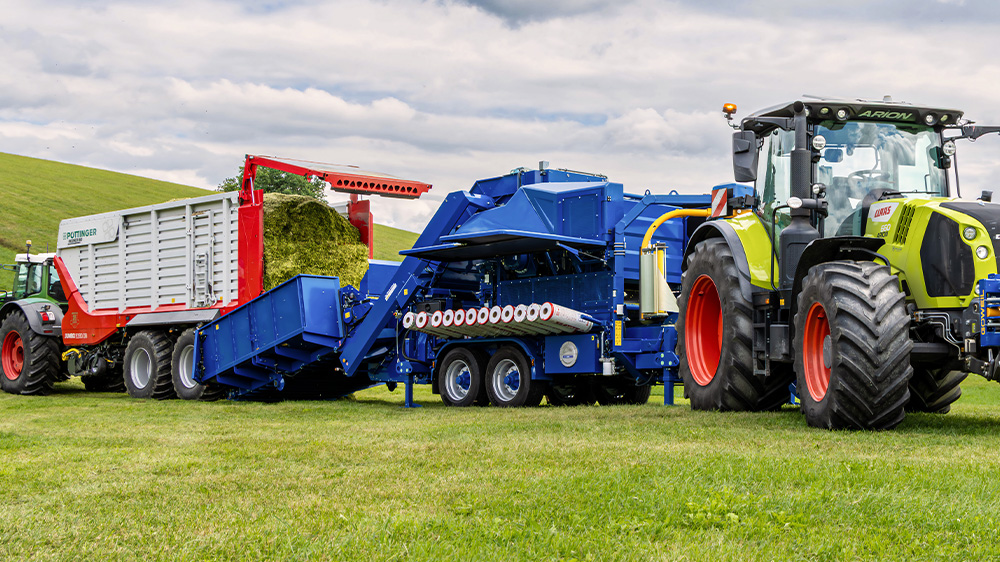
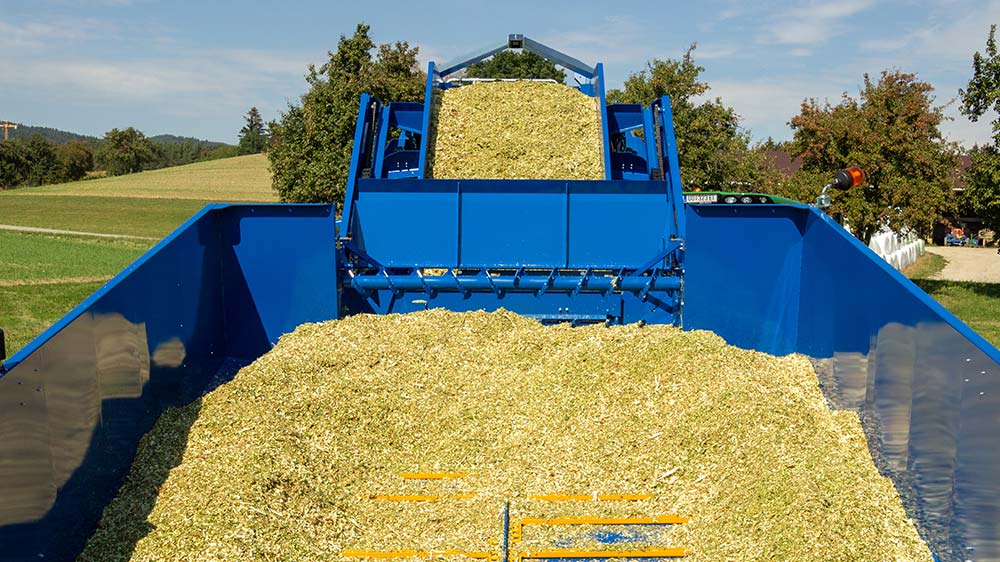
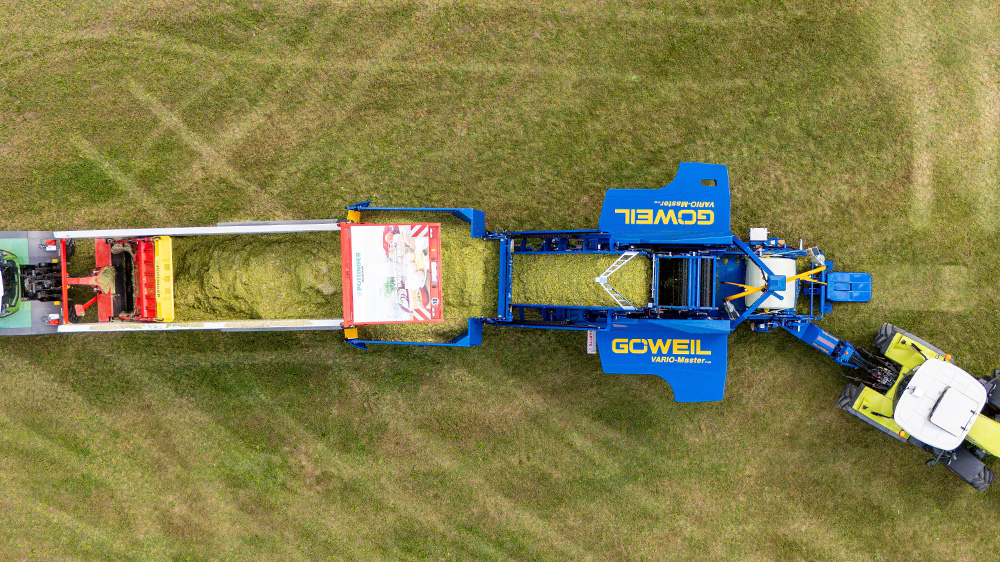
The low profile design and 3.50 meter width of the feeder make the filling process quick and easy – whether you use a dump trailer, push-off trailer, truck, or direct feeding.
Scraper floor
The speed of the scraper floor adapts to the quantity of material and is automatically self-regulating. The galvanized, die-forged scraper floor chains from Rübig used on the elevator and feeder are indestructible.
Large-capacity Multicrop feeder
The Multicrop feeder provides a large buffer with a volume of around 13 m³. This large capacity keeps the VARIO-Master V140 running during feeding.
In order to better process the many different materials, the feeder has been equipped with a dosing drum. This and the feed screws ensure the even flow of materials on the elevator and also optimally process fibrous material such as grass and alfalfa.
Highlights of the baler
Hydraulically powered variable
bale chamber
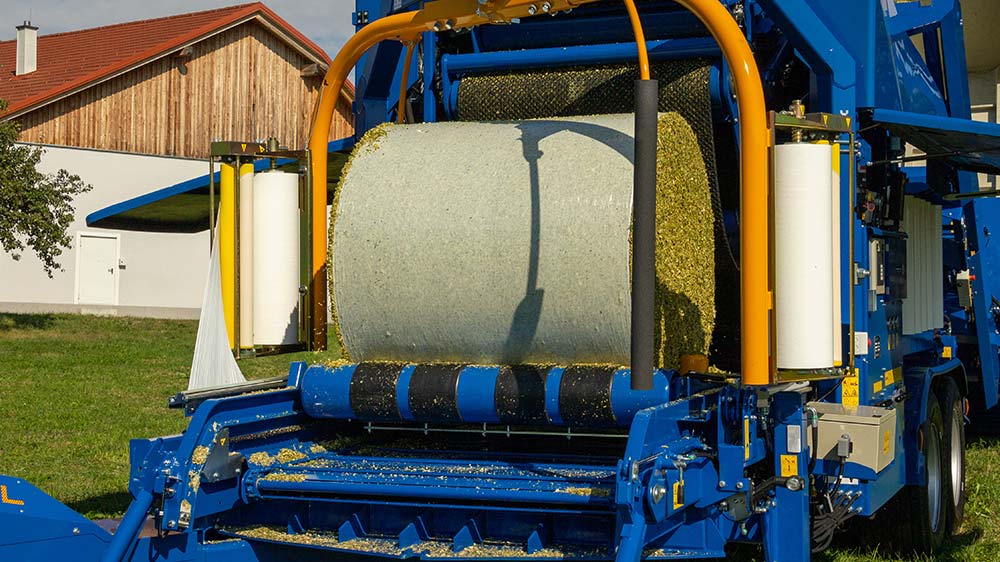
Two bale chamber belts permanently ensure high compression of the material. Bale diameter and compaction density are set at the terminal. The round bales can be pressed with a diameter from 80 to 140 cm, adjustable in 5 cm steps. The hydraulic drive allows the speed of the bale chamber to be adjusted to the baled material in four stages.
Net or film
An efficient binding system is needed to keep a bale in perfect condition. The VARIO-Master V140 is equipped as standard with a combined dual binding unit for net and film.
Water injection unit
A water injection system allows for the mixing of water into dry materials during baling.
High compression density
The 4 mm thick steel rolls are reinforced on the inside; the ribbing ensures optimal bale density and secure rotation of the bale.
Refeed belt
The refeed belt running underneath the entire length of the machine prevents the loss of material. Stray particles that escape during the baling process are caught and re-fed back onto the sloping conveyer without contamination.
Long service life
Large bearings together with a perfectly attuned lubrication system guarantee the machine will last for a long time.
Wrapper highlights
Mobile wrapping table
The wrapping table slides under the bale chamber and picks up the bales directly, quickly, and gently.
Twin wrapping arm
The wrapper always stays one step ahead thanks to its standard twin wrapping arm including 2 x 750 mm film pre-stretchers. The patented plastic rollers mean more bales per roll of film.
Bale delivery ramp
The hydraulically lowerable bale delivery ramp ensures a gentle bale deposit.
Film cutter
The stainless steel cutting knife guarantees precise cutting of the film. The standard float position of the film cutter ensures easy release of the film, which means that no remnants are trapped.
Film monitoring with single-film mode
If a roll of film runs out or the film tears, the feed rate of the wrapping table is reduced until a 50% overlap is guaranteed once more.
This allows bale wrapping to be completed without interruption. If both wrapping films run out or tear, the film monitoring stops the wrapping process.
Control system
Program control PROFI with PROFI plus handset
The VARIO-Master V140 is operated with the PROFI plus L handset. The user interface is structured intuitively and enables easy operation of the machine. The entire work process as well as the machine settings are depicted via the display. Via the handset's USB port, the language and customer logos for the weighing system with label printer can be imported with ease and customer account data exported in CSV format.
Materials suitable for baling
The large variety of materials suitable for baling and wrapping means that the VARIO-Master V140 can be used for a wide range of purposes. As a result of the various harvest times, the machine is used to capacity all year round. This guarantees maximum efficiency and utilization. The most common materials at a glance:
Corn
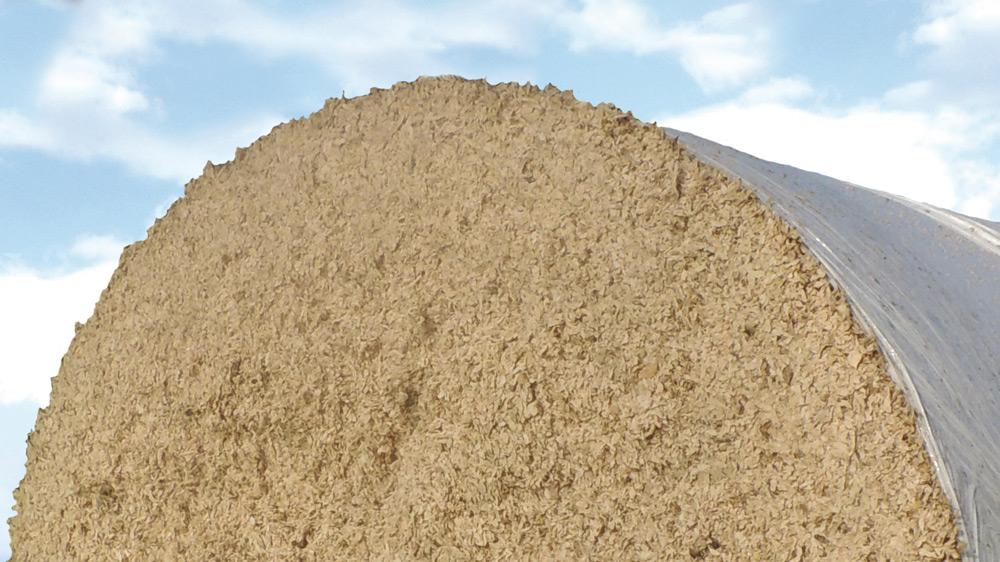
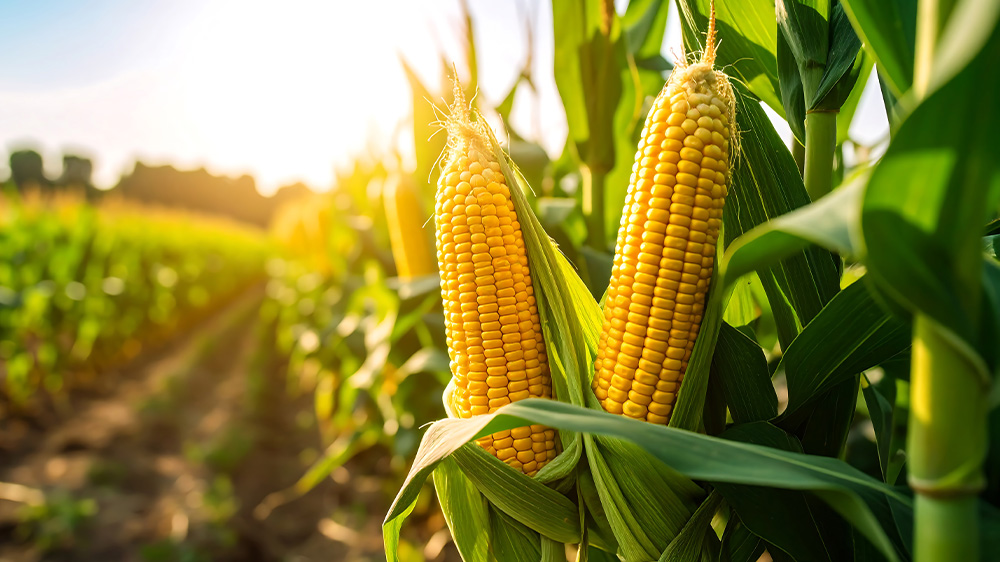
Corn silage is produced using the entire corn plant and serves as one of the most important staple feeds for livestock with high milk yields. Corn silage provides particularly nutritious energy in the form of starch from crushed corn grains and is also very rich in fiber. In this way, corn silage provides the optimal conditions for achieving maximum milk or fattening yields<br/>. Particularly at temperatures above 15 degrees Celsius, the feed can deteriorate in quality due to the high activity of microbacteria. The very high compression during the VARIO-Master V140 baling process achieves unmatched keeping and feed quality.
CCM
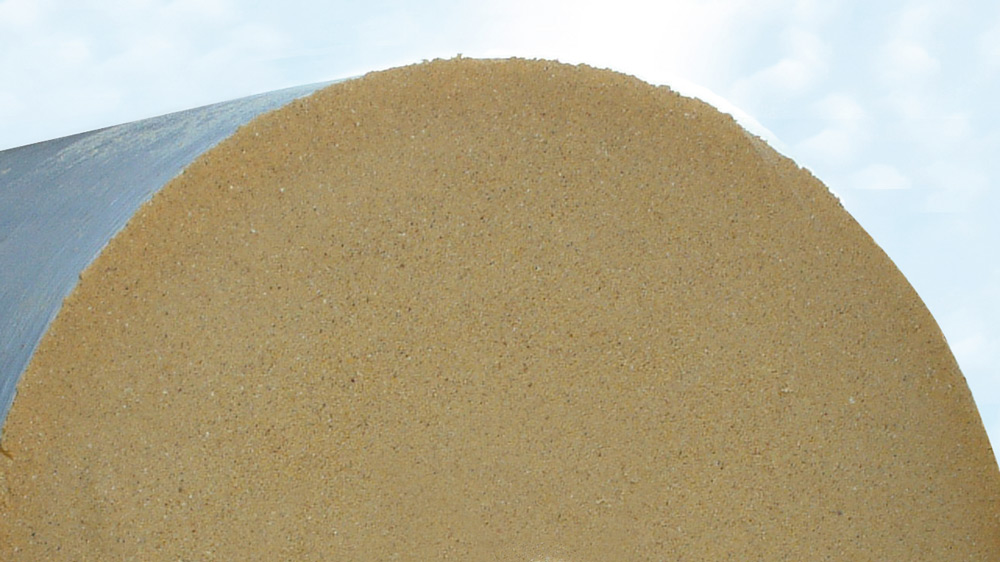
CCM (corn-cob-mix) is an excellent energy feed made from the cob and kernels of the corn cob. It is used to feed pigs, cattle, and other small ruminants. CCM silage offers the maximum energy concentration through additional starch and has an excellent price-performance ratio in comparison with traditional concentrated feed.
The crushing of corn grains gives the feed more structure and makes it very easy for livestock to pick up. Due to their compact shape, CCM silage bales are perfectly easy to handle and also ideally suited to feeding in smaller quantities.
Alfalfa
Alongside corn silage, alfalfa silage is one of the most important basic feed components in cattle feeding. High feed intake as well as particularly high structural effectiveness contributes to substantial cattle milk yields. The cultivation of alfalfa offers high yield security and also improves the quality of the soil. However, its low sugar content makes alfalfa very difficult to preserve using traditional methods. Processing into round bales using an VARIO-Master V140 significantly enhances the silage quality of alfalfa thanks to the rapid air-tight seal and effective compression.
Sugar beets
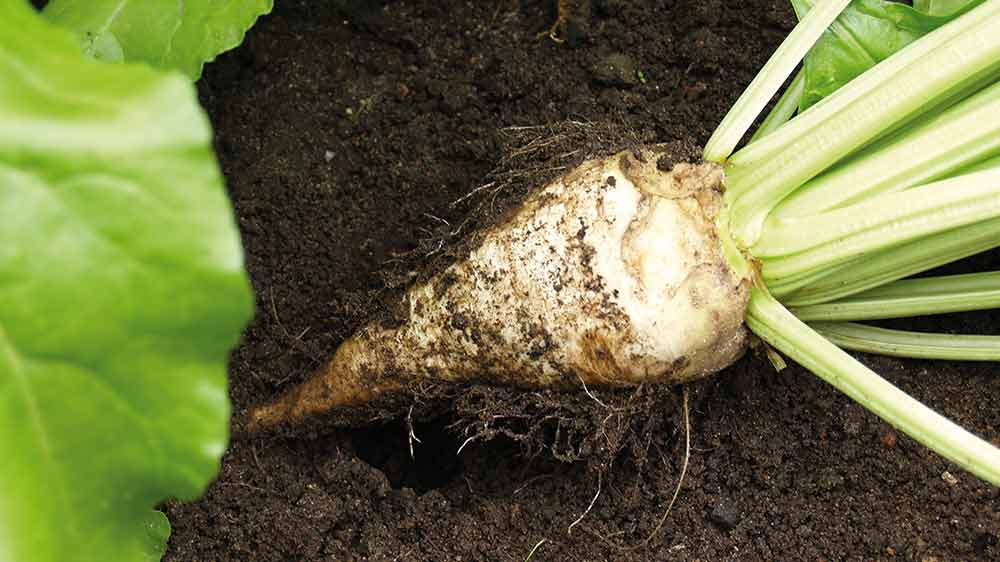
Pressed sugar beet pulp silages are characterized by a very high energy content, they are easily digestible, and impress with their palatability. They are an ideal supplement to grass silages since they have a negative ruminal nitrogen balance and thereby compensate for the protein balance in the stomach. Pressed beet pulp silages have very low lactic acid content and therefore also a very low total acidity. High compression as well as clean processing while still warm are hugely important for silage quality. VARIO-Master V140 round bales also cool down faster and can therefore be used for feeding sooner.
TMR – Total mixed ration
A TMR contains a balanced mix of staple forage and concentrated feed. Dry matter content and energy content are perfectly coordinated. TM rations have a very positive effect on milk yields and animal health. Already fermented silages are mixed and ensiled again for stockpiling TMR. The VARIO-Master V140 can be used to produce TMR inventory quickly, easily and inexpensively. It is transportable and therefore an ideal solution for trade.
Wood / wood shavings
It is transportable and therefore an ideal solution for trade. Wood / wood shavings The VARIO-Master 140 can be used to press all materials into compact bales. This makes transport easier and also saves on expensive storage locations. The bales can be transported with a tractor, stacked, or loaded onto a pallet. Pressed into a bale, the material stays clean and dry.
Grain WPS
Grain whole plant silages tend to be produced using barley, wheat, or triticale. Cultivation provides a very reliable yield and has benefits in the field of crop management. However, grain has a very low energy content and is difficult to ensile using traditional methods. Optimal compression and the rapid air-tight seal make it easy to produce grain silage with the VARIO-Master V140.
Grass
Grass silage serves as the most important staple forage for livestock. The feed is made from an optimal combination of sweet grasses, herbs, and clover.
Grass types with a high sugar content guarantee a good fermentation process. Thanks to the VARIO-Master V140, even grasses with a higher fiber content can be optimally processed due to the high bale density.
RDF substitute fuels
The storage of garbage and waste is an ever-growing problem. Some materials are prepared for further processing and used as substitute fuels. The VARIO-Master V140 offers a quick and easy solution to the associated storage and transport problems. Compressed bales can be transported compactly and are ideally suited to temporary storage. In principle, solid residues such as plastic, domestic refuse, shredded carpet, and even compost can be processed into round bales.
Industrial hemp
Industrial hemp is characterized by a very high CBD content and is primarily used in the pharmaceutical and cosmetics industry.
Other materials
Wild animal feed, vegetable waste, sugar cane, crushed grain corn, horse manure, apple pomace, straw, etc.
Setup & preparation
One significant highlight of the LT-Master F115 is the short setup time of around three minutes. This is particularly important when it comes to the professional applications of contractors, who sometimes change location multiple times a day. The machine is set up completely hydraulically. The LT-Master F115 is ready for use in just a few simple steps.
Preparing the machine
Other time-eaters can also be taken care of quickly and easily thanks to optimized detailed solutions:
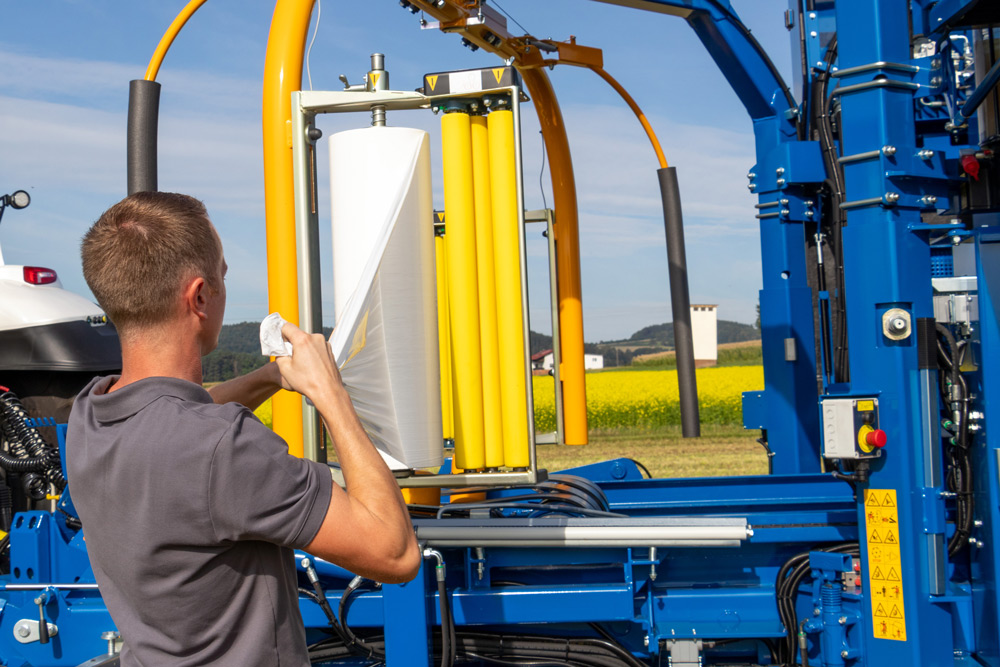
- Thanks to the quick-release fastener, the wrapping film can be replaced in a very short time.
- It is possible to change between a net and wide film in just a few simple steps.
- Thanks to the program control "PROFI" and the PROFI plus L terminal, the machine can be optimally matched to the material. A definite advantage: A real benefit control system interface
- Grease (8 l) and oil (16 l) can be topped up in the central lubrication with ease.
Basic Model
With EU type-approval for up to 80 km/h
Twin wrapping arm
Hydraulically powered variable bale chamber for bale diameters from 80 - 140 cm
Dual binding unit for net and film
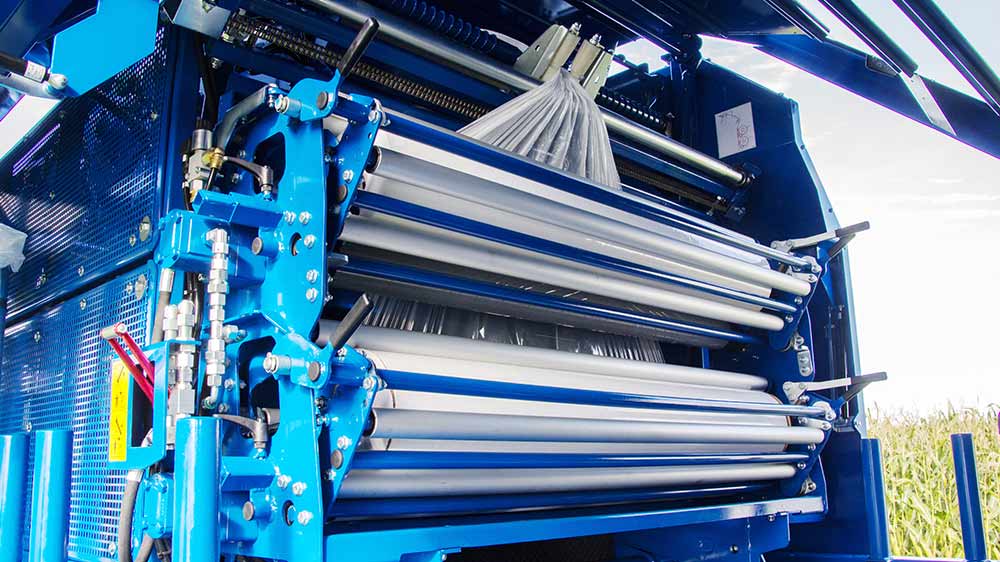
The VARIO-Master V140 is equipped as standard with a combined dual binding unit. As a result, two rolls of net or film can be inserted at the same time or even in combination.
On-board hydraulic system with oil cooler
Two belts for high compression of the material
Refeed belt to prevent possible loss of material
Integrated Multicrop feeder
Working width 3.50 m
Hydraulic mobile wrapping table
4 bale conveyor belts with belt guide and 2 bale guide rollers
Hydraulic bale delivery ramp for forward bale deposit
Height-adjustable drawbar
Film pre-stretcher 500 mm and 750 mm combined with overlap adjustment
Linear film cutter
Film monitoring
Single-film mode
Tandem axle chassis with suspension and 385/55 R22.5 tires
Hydraulically lowerable film storage for up to 19 rolls of film
LED work lights
Dual-line air brake system
Camera system
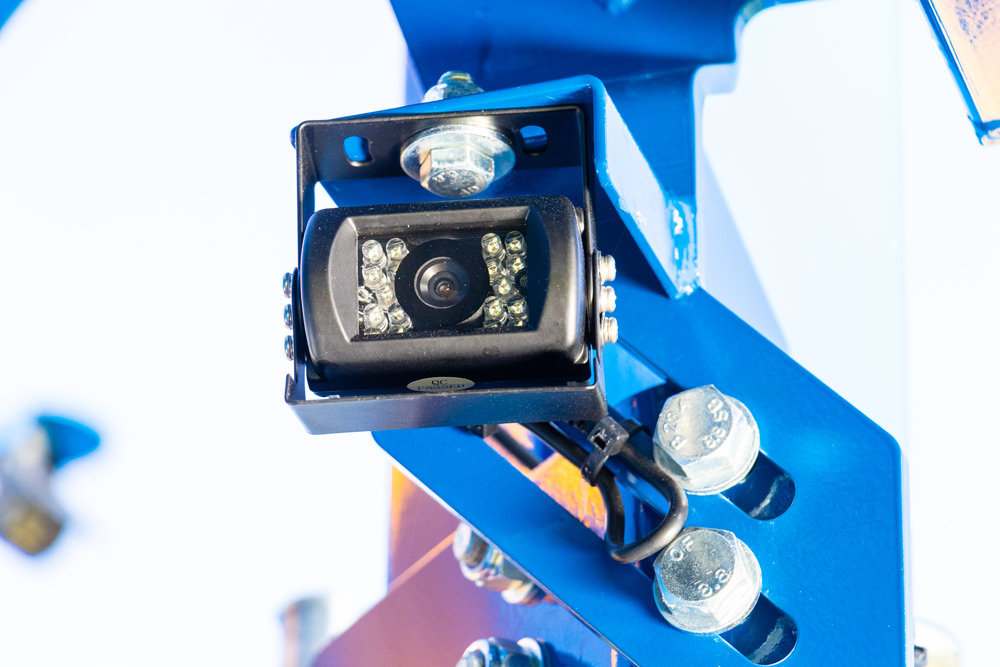
The camera system, which is equipped with four infrared cameras, provides a perfect overview of the entire workflow and the area around the machine – both day and night.
The four cameras are positioned so as to allow a clear view of the top of the bale chamber, the elevator, the wrapping table, and the rear of the machine (on the right in the direction of travel).
Water injection unit for bale chamber
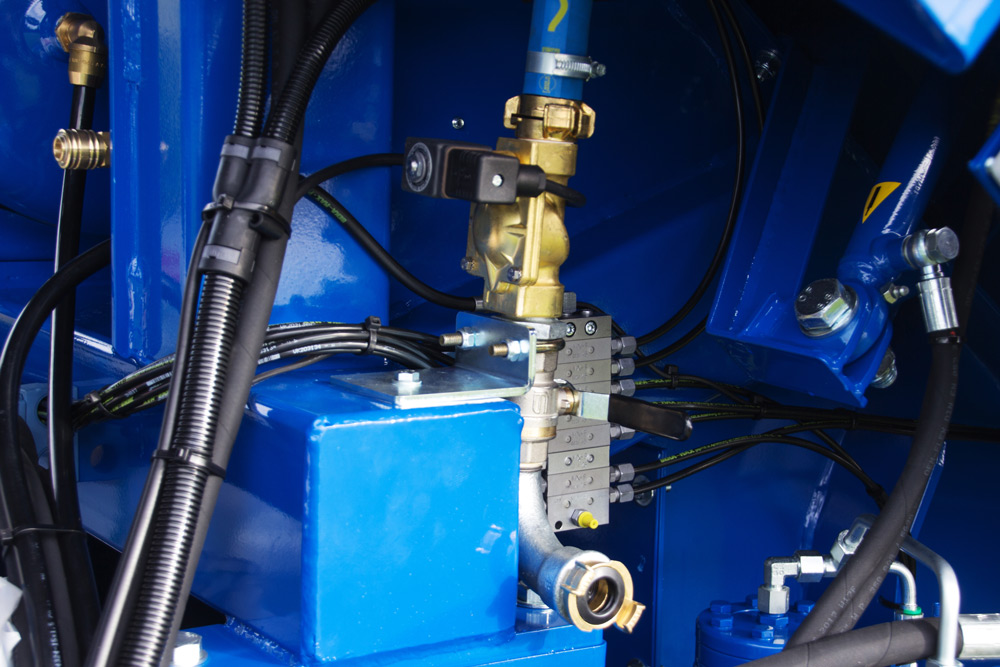
The correct dry and moisture content of the material is crucial for high compression of the material and perfectly compressed bales. In the case of very dry materials, water can be added directly to the bale chamber via the water injection unit.
Consists of a solenoid valve, tubing, and adjustable nozzles.
Remote control for bale deposit
The compact hand-held transmitter works via remote control and initiates bale deposit of the wrapped bale. Thanks to its handiness, the user can keep the transmitter with them at all times and start the deposit.
Fully automatic central lubrication system for oil and grease
Fully automatic program control PROFI with PROFI plus L handset
All work cycles are fully automatic
Technical data (Basic model)
| Transport position | Work position | |
| Weight | 15,800 kg | 15,800 kg |
| Length | 11,780 mm | 14,170 mm |
| Width | 2,550 mm | max. 6,130 mm (63”) |
| Height | 4,000 mm | max. 4,375 mm (63”) |
| Round bale diameter | from 0.80 up to 1.40 m | from 0.80 up to 1.40 m |
Power requirement of the towing vehicle | ||
| Oil requirement (lift axle) | 10 l at 200 bar | |
| Power requirement | at least 90 kW (at least 120 hp) |
Required connections
| Connections for operation |
| 1 double-acting and 1 single-acting control device for the pivoting drawbar |
| 7-pin socket for the entire lighting system, except work lights |
| Power is supplied to the machine via the ISOBUS socket or the cable harness supplied. |
Additional equipment
Electric drive
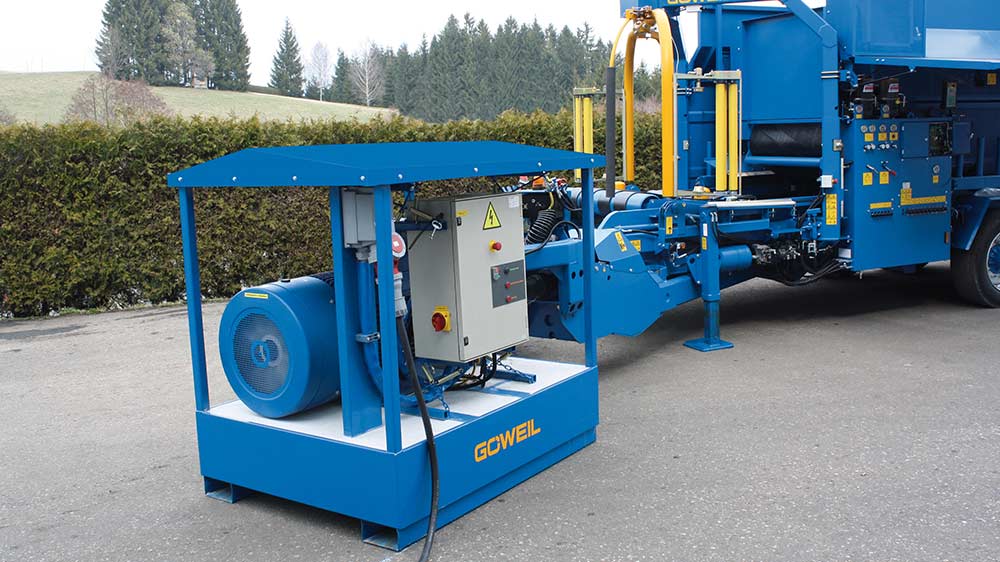
The drive works using a joint shaft, which also makes it possible to use a tractor at any time. The engine is very quiet and operating costs are kept down in comparison with a tractor with high fuel costs. As a result, not only do you save space, but also exhaust gases, thereby enabling operation in sheds. However, the cover makes it possible to use the electric drive outdoors with ease too (temperature range: -15 to +60°C). The maintenance costs are very low and thanks to the base with forklift slings, the electric drive is easy to transport. The electric drive has a soft starter. This massively reduces initial voltage peaks as well as the starting torque. This also saves power and is gentle on the drive, shafts, and transmission.
| Power: 90 kW | Voltage: 400 V | Frequency: 50 Hz |
| Protection class: IP 55 | Power consumption: max. 125A | Drive: 740 rpm |
| Weight: 2,970 kg (152 lbs) | L x W x H: 1,773 x 1,323 x 1,652 mm (36.5” x 26.5” x 57”) | CEE 125A |
Weighing system uncalibrated
Consisting of weighing table, weighing terminal, and label printer with GÖWEIL logo or customer logo
The four weighing cells are directly integrated into the wrapping table. The display is attached to the switch panel. The weighing process for the wrapped bales runs automatically, ensuring that there are no time delays in the workflow. The bales can be weighed individually or even analyzed as a complete batch. The various options can be set very easily via the terminal. The label printer depicts information such as the bale weight, date, time, and a loaded logo. If no labels are required, this function can be switched off on the terminal. Adhesive labels and labeling strips are standard products and available from specialist stores. The weighing system can be retrofitted on existing machines.
Weighing system calibrated
Consisting of weighing table, weighing terminal, and label printer with GÖWEIL logo or customer logo
The four weighing cells are directly integrated into the wrapping table. The display is attached to the switch panel. The weighing process for the wrapped bales runs automatically, ensuring that there are no time delays in the workflow. The bales can be weighed individually or even analyzed as a complete batch. The various options can be set very easily via the terminal. The label printer depicts information such as the bale weight, date, time, and a loaded logo. If no labels are required, this function can be switched off on the terminal. Adhesive labels and labeling strips are standard products and available from specialist stores. The weighing system can be retrofitted on existing machines.
Bale delivery ramp with bale tipper
Thanks to the bale tipper integrated in the bale delivery ramp, it is possible to gently deposit the bale on the left or right. If this is deactivated, the bale is rolled off to the front as standard. Storage of the bales on their ends enables quicker and gentler removal.
Silage additive dosing
In order to achieve a good ensiling result, there are a few key factors:
- The ensiling suitability of the material
- Adherence to the ensiling rules (harvest time and wilting, cutting length, efficiency of the silage chain, compression, and air-tight seal)
- Weather conditions
If not all factors are perfectly coordinated (e.g., due to periods of bad weather), silage additives should help to significantly improve the ensiling result by preventing incorrect fermentation and subsequent warming processes.
Using a self-priming pump with filter and electronic flow meter, the silage additive is injected directly into the bale chamber via two stainless steel nozzles. The silage additive is thereby optimally distributed in the feed of the round bales. The dosing unit is ideal both for lactic acid bacteria and low-corrosion acids.
Note: tank not included.
Important: After use, the silage additive dosing must be rinsed with water every day.
Scope of delivery:
- Dosistar control unit
- Pump with filter
- Electronic flow measurement
- Various nozzles
- Suction hose for external containers
Silage additive tank
ABS voltage transformer
12V to 24V
24V lighting system version
Consisting of spiral cable with 15-pin to 13-pin and 2x 7-pin to 13-pin
Cleaning Device for Binding
2 additional air nozzles ensure trouble-free operation with dry materials
Drawbar eye types
Customers can choose from a large selection of drawbar eye types
Country-specific additional equipment
Beacon light
Hydraulic dual-line brake system with emergency brake valve and pressure accumulator
WITHOUT EU type-approval
FAQ - Frequently asked questions
What can you press with the VARIO-Master V140?
The VARIO-Master V140 can be used to process not only corn silage, but also CCM, alfalfa, hemp, sugar beet pulp, grain, compound feed, and lots of other materials, into perfectly compressed and wrapped round bales.
How does my tractor need to be set up in order to be able to operate the VARIO-Master V140?
The tractor must have at least 120 HP (90 kW) and needs the following connections:
1. 1 double-acting and 1 single-acting control device for the pivoting drawbar.
2. The included wiring harness is used to supply electricity to the machine.
3. 7-pin socket for the entire lighting system, except work lights.
Oil requirement pivoting drawbar: 10 l at 200 bar
What size bales can the VARIO-Master V140 process?
The bale diameter and bale density can be set on the terminal (from 0.8 to 1.4 m diameter).