
#ifarmitmyway

Round baler wrapper combination
G-1 F125 Kombi

Round bale baler-wrapper combination | G-1 F125 Kombi

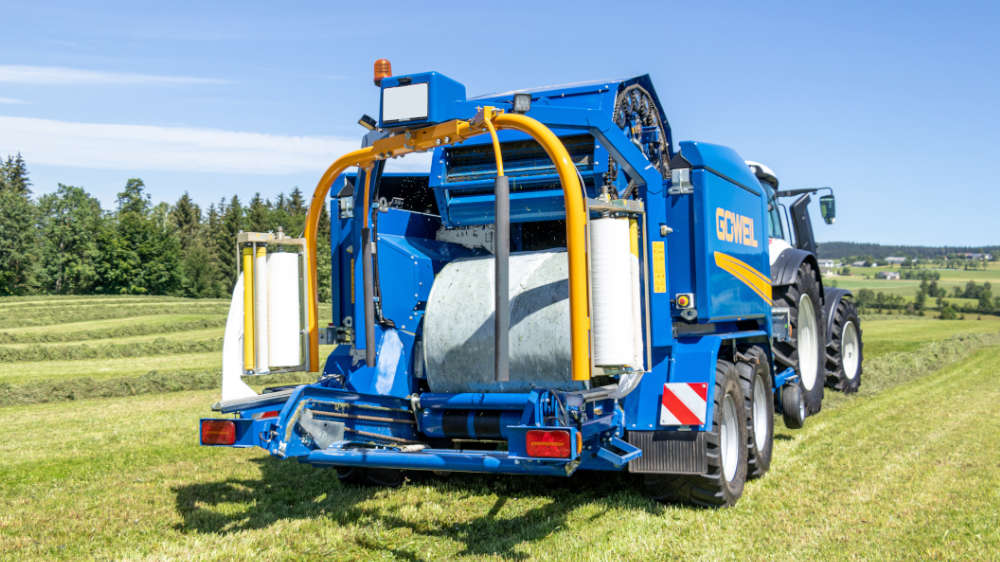
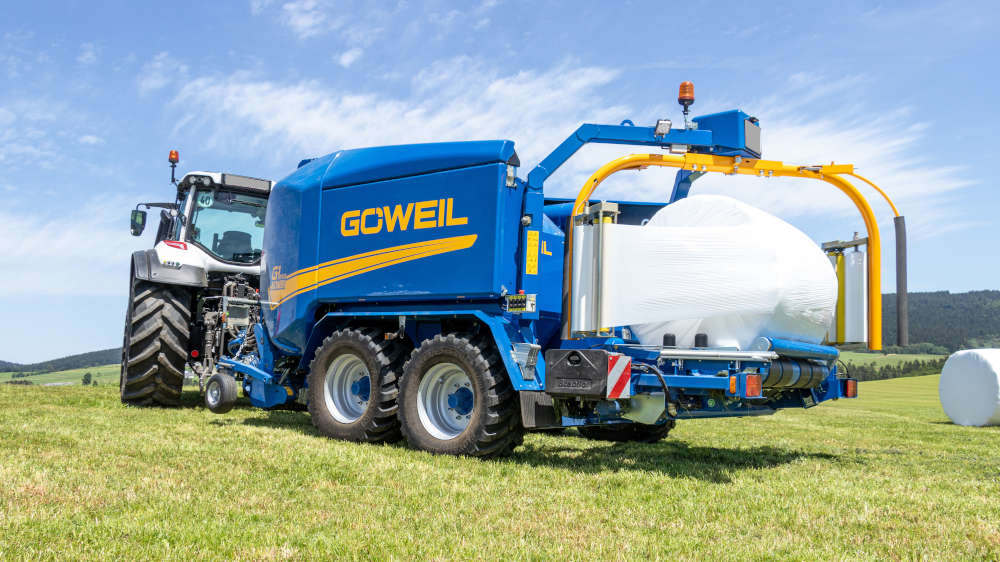
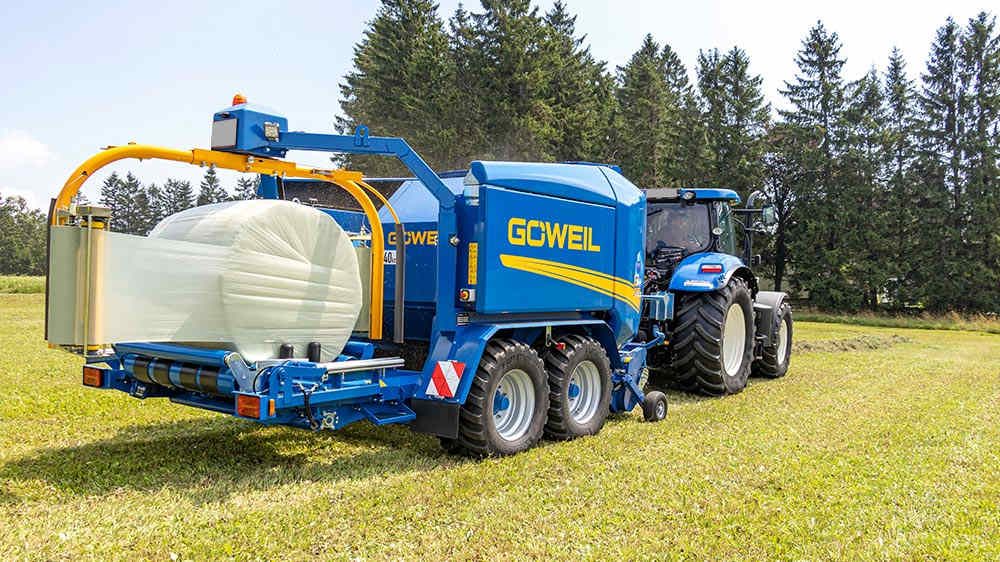
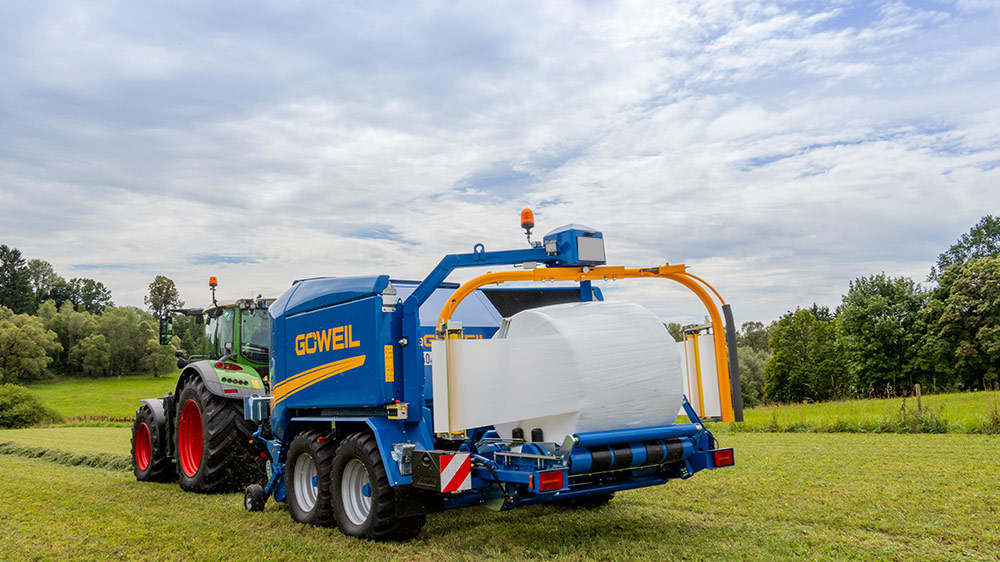
The G-1 F125 Kombi merges the work steps of baling and wrapping in one machine. This work method provides for immediate exclusion of air, resulting in unsurpassed feed quality. Better yet, this round baler-wrapper combination makes the work process particularly efficient, allowing one person working with only one tractor to both bale and wrap. The G-1 F125 Kombi is a professional-grade machine with many impressive features.

Highlights G-1 F125

Time-saving

The high throughput and impact force of this baler-wrapper combination cuts down on the amount of time needed in the field. Capable of handling speeds up to 40 km/h, the Kombi also allows the operator to rapidly cover long distances.

Cost-saving

The baler-wrapper combination reduces the cost of personnel and machinery to a minimum.

Superior quality

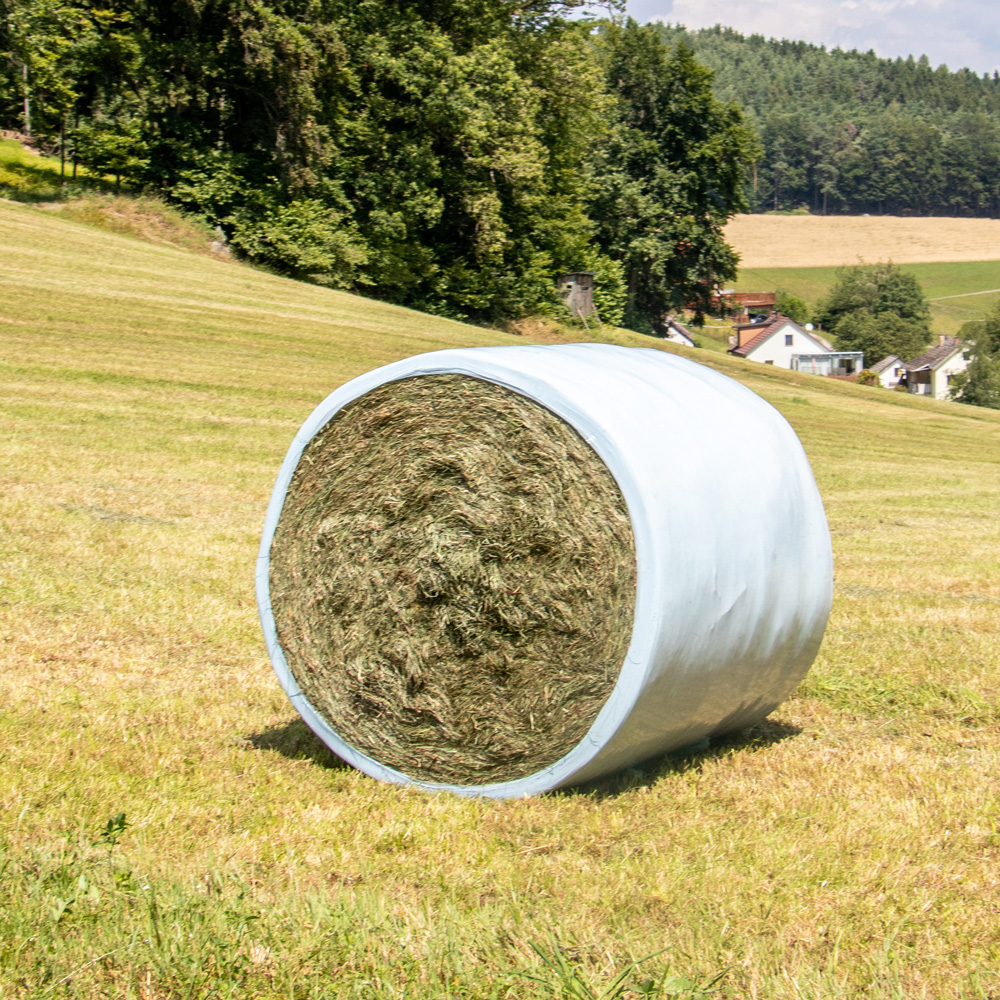
Round bales are wrapped in a perfectly clean manner and within an extraordinarily short period of time. The rapid exclusion of air creates the best possible conditions for the fermentation of the feed, allowing for its perfect preservation and exceptional quality. And that means the best shelf life and the highest-quality feed!

High-performance

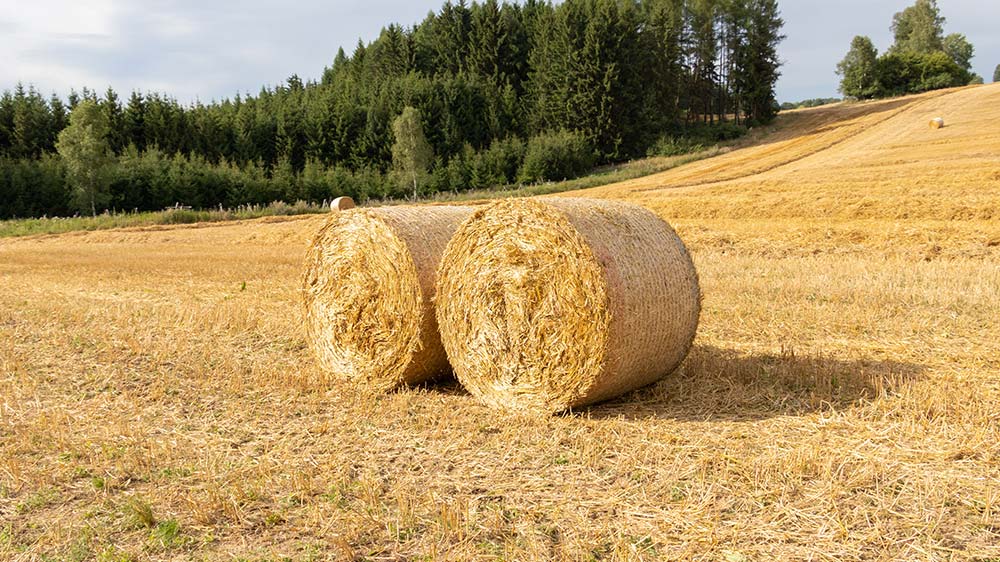
The G-1 F125 Kombi is a machine designed for decidedly professional applications and, as such, is the ideal choice for large businesses and contract harvesters. Whether you need to use it for bales of silage, hay or straw.

Reermann Agrarservice in action with two G-1 F125 Kombi units

A Powerful One-Two Punch in Forage Harvesting: The Reermann Agrarservice contracting firm from Brilon serves its customers with two GÖWEIL baler-wrapper combinations. Although there is a wide selection of round balers available, the service provider deliberately chose the blue machines from Austria. In this video, we'll take a look with you at how this came about and what the technology is capable of under these demanding, continuous-use conditions. Come along and join the forage harvesting pros from the Sauerland as they go about their work!

“We decided to go with the GÖWEIL wrapper again, and this time with the baler built right in – which, from a technical standpoint, totally blew us away!”

Stefan Reermann

Stefan Reermann

Agricultural Service Specialist from the Sauerland Region
Video G-1 F125

Workflow

Feed Pick-Up

The feed is scooped up by the pickup of the baler and shaped into a bale in the bale chamber.

Bale transfer

➡ Direct bale transfer: quick, clean and straightforward
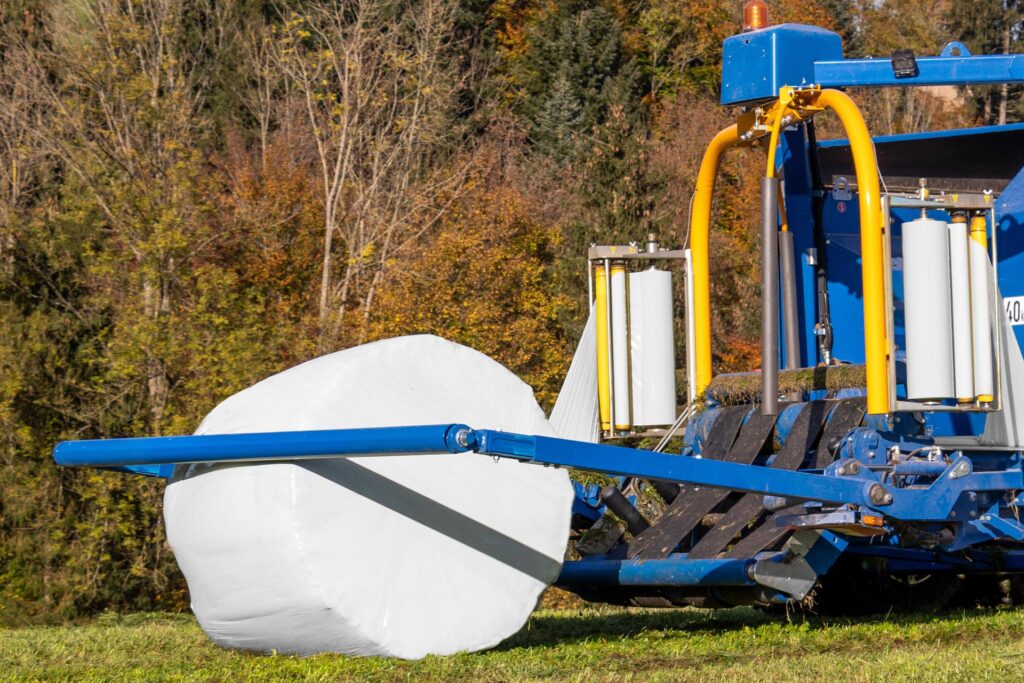
The wrapping table moves under the bale chamber. Once fully wrapped, the bale is transferred from the bale chamber to the wrapping table – without ever touching the ground.

➡ Secure bale guiding even in slope positions.
The four bale guide rollers ensure that the bales are guided along securely. This guarantees that the bale is transferred in a secure and reliable manner – even in slope positions. The transfer itself merely takes a few seconds. The tailgate already closes while the wrapping table is moving to the wrapping position. The baling process can continue without any interruption.

Wrapping Process

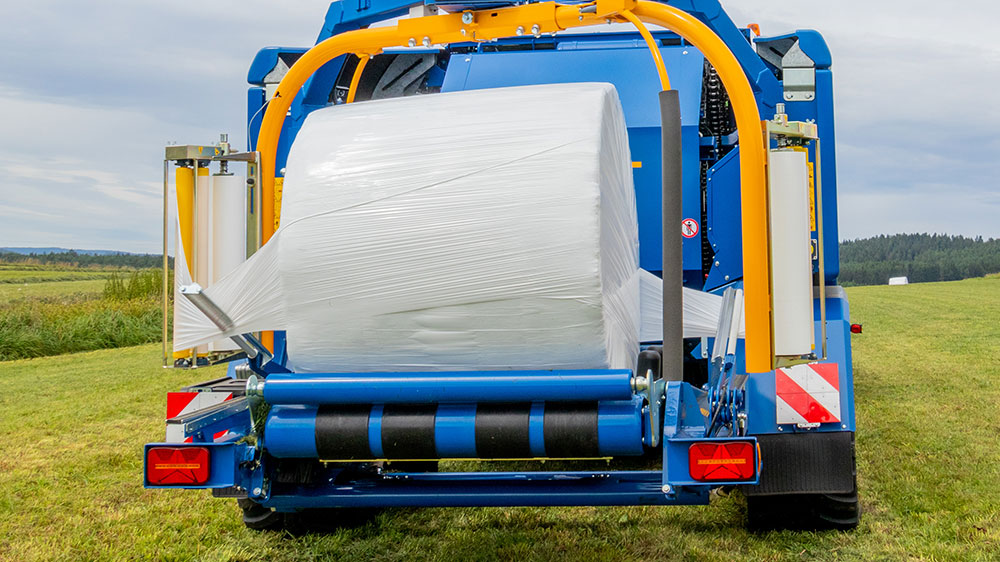
The twin wrapping arm and the two 750 mm film stretching units ensure that the bale is wrapped in no time at all. The wrapping process will always be finished faster than the baling process. Since always guided securely, the bale is wrapped perfectly even in slope positions.

Bale delivery

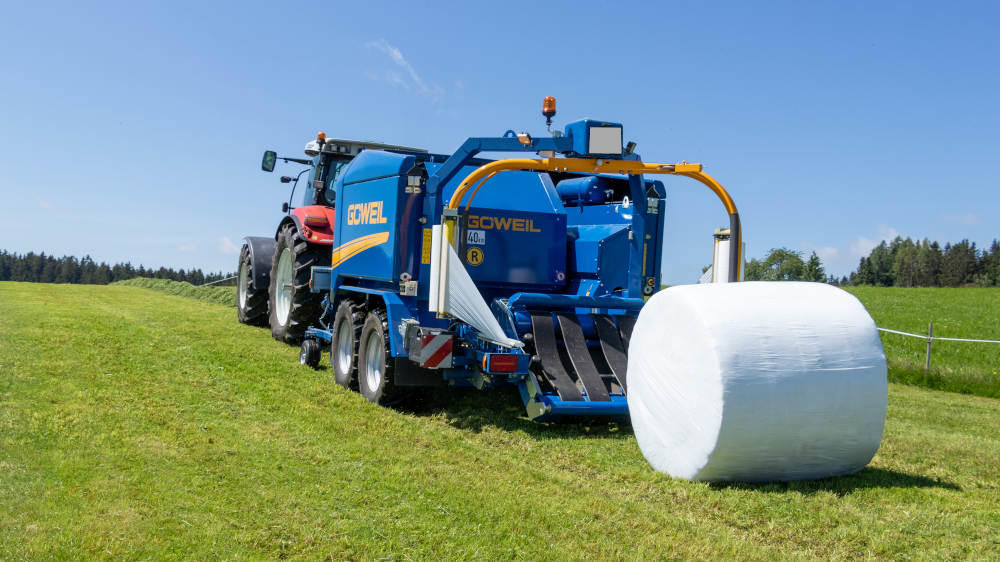
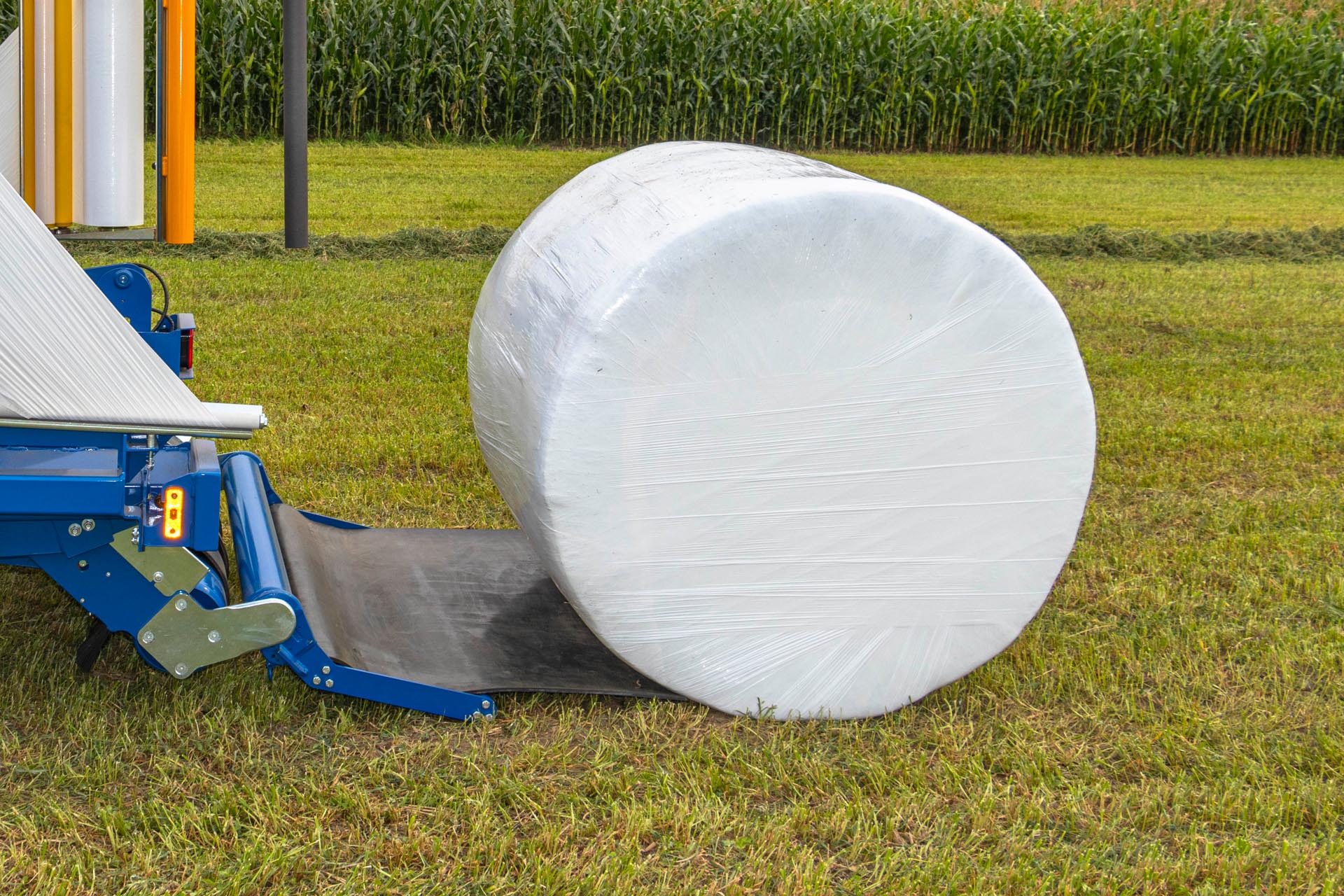
Once the round bale is fully wrapped, the film is cut off. When the bale is dropped, the wrapping table moves to the rear and lowers all the way to the ground. This provides for a gentle deposit of the bales.

Workflow

The feed is scooped up by the pickup of the baler and shaped into a bale in the bale chamber.

➡ Direct bale transfer: quick, clean and straightforward
The wrapping table moves under the bale chamber. Once fully wrapped, the bale is transferred from the bale chamber to the wrapping table – without ever touching the ground.

➡ Secure bale guiding even in slope positions.
The four bale guide rollers ensure that the bales are guided along securely. This guarantees that the bale is transferred in a secure and reliable manner – even in slope positions. The transfer itself merely takes a few seconds. The tailgate already closes while the wrapping table is moving to the wrapping position. The baling process can continue without any interruption.

The twin wrapping arm and the two 750 mm film stretching units ensure that the bale is wrapped in no time at all. The wrapping process will always be finished faster than the baling process. Since always guided securely, the bale is wrapped perfectly even in slope positions.

Once the round bale is fully wrapped, the film is cut off. When the bale is dropped, the wrapping table moves to the rear and lowers all the way to the ground. This provides for a gentle deposit of the bales.

Pick-Up

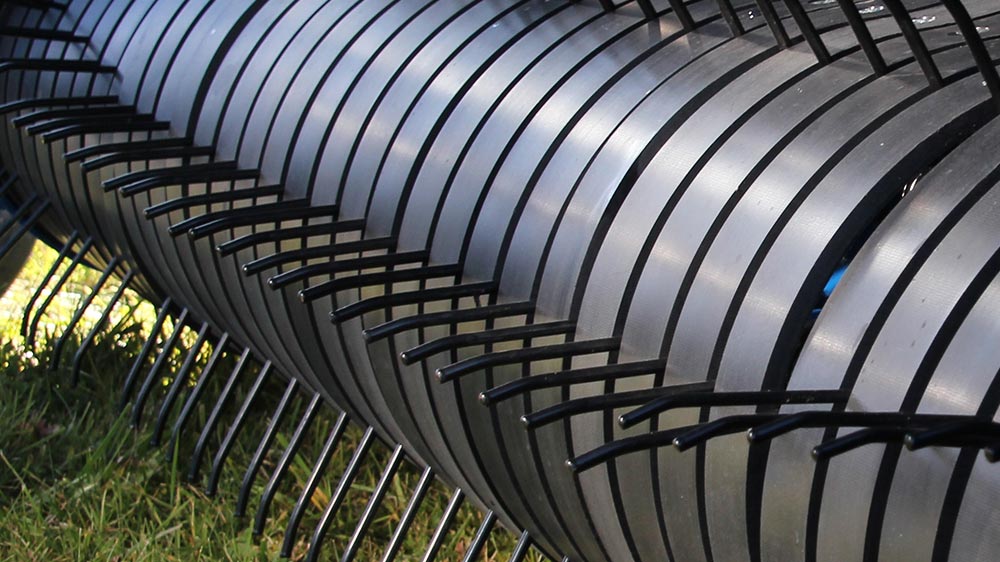
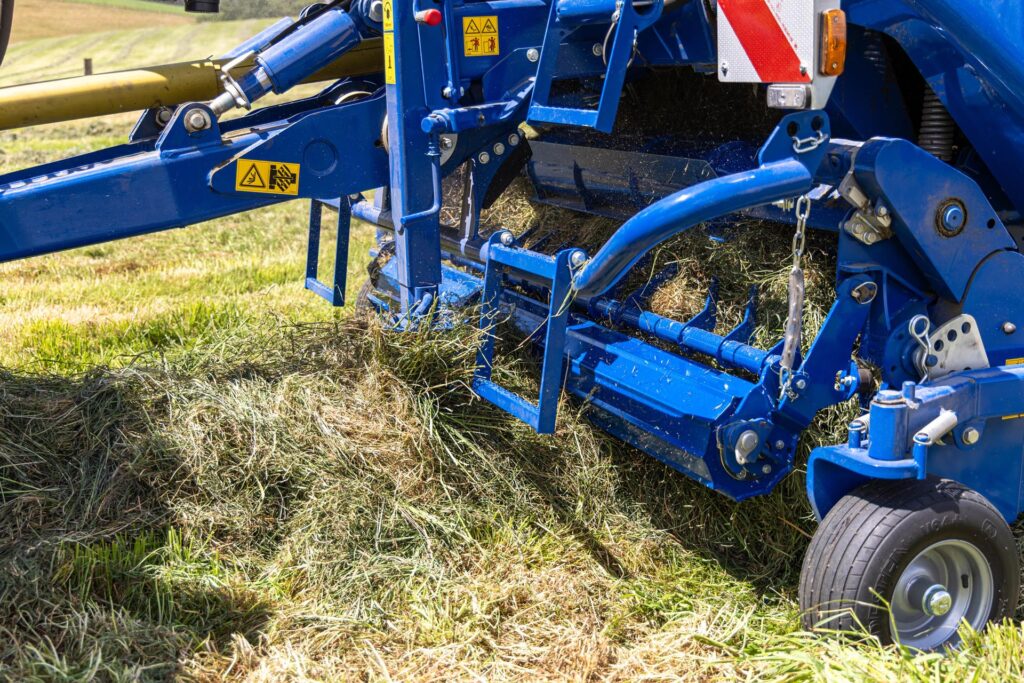
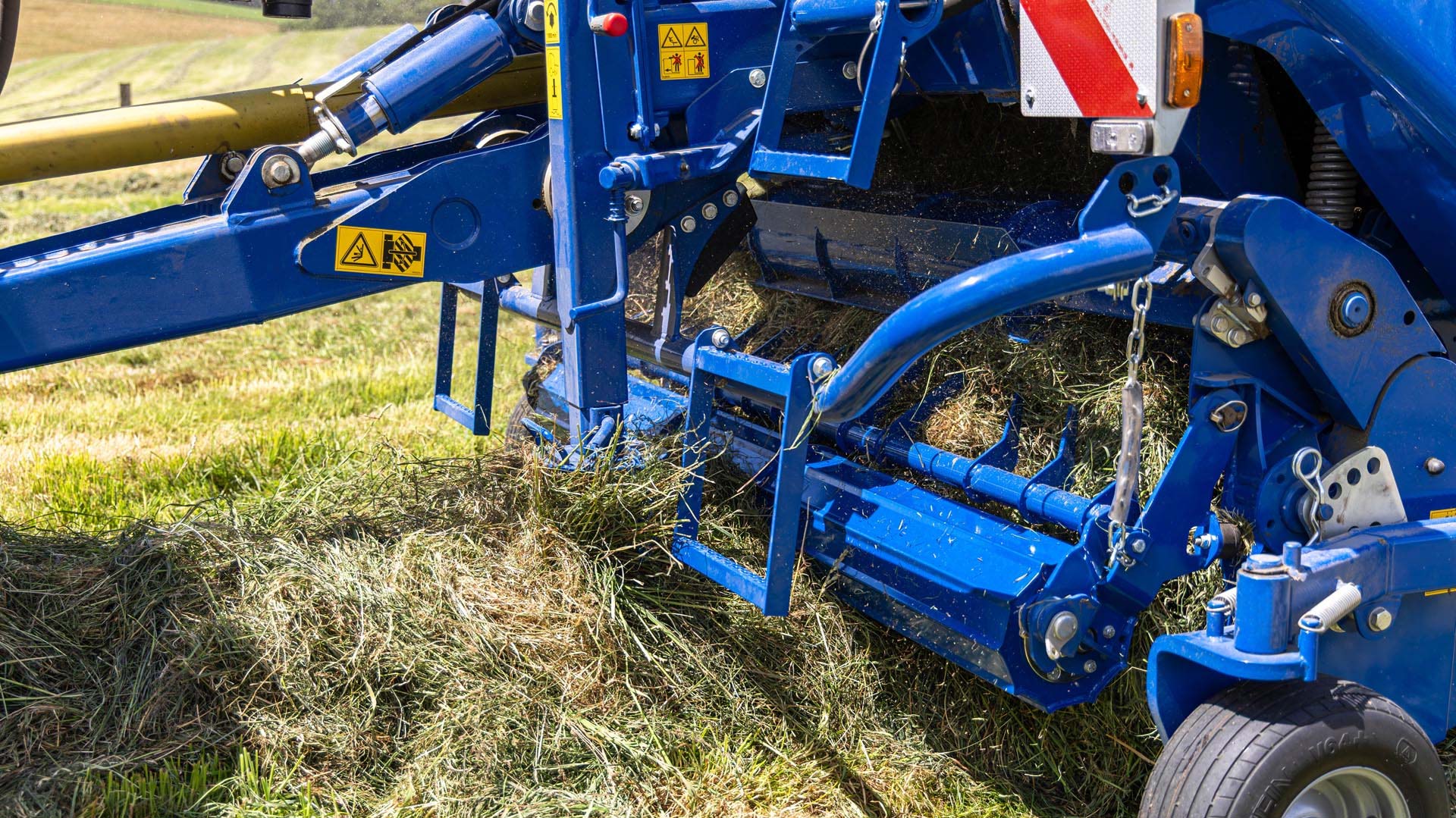
The starting point of every firmly compressed round bale is the clean pickup of the base feed: Its swivel suspension allows the 6-row swivel pick-up to deliver maximum conveyance capacity along with superior ground adaptation and enables it to absorb even the largest swaths without a hitch.

Pendulum-Pick-Up

The suspended installation in a central position creates a swing range of 150 mm. It provides for top-notch ground adaptation and compensates for any unevenness in the terrain with perfect ease.

Doing without a cam track, the pendulum pickup offers a DIN rake width of 2.20 m and large conveying screws on the sides that guarantee an optimum flow of material to the rotor.

Equipped with tines spaced 51 mm apart across six rows, the pickup delivers firstrate raking performance even when handling extremely wide swaths.

Plastic Strippers

Another unique feature are the plastic strippers. Exceptionally resilient, these strippers withstand even the greatest amount of stress and will not bend if colliding with foreign objects. Stripping the material off with great efficiency, the tines also enhance the flow of material.

Roller hold-down device
with feed comb

Comprised of Roller hold-down device with feed comb boost the material flow even when dealing with uneven swaths and fill the bale chamber in a continuous and uniform manner.

Smoothly Running Touch Wheels

Fitted with pneumatic tires, the touch wheels work in perfect harmony with the pendulum pickup and run with maximum smoothness. Adjusting the height of the touch wheels is quick and easy thanks to perforated rails that eliminate the need for any tools. Customers can also opt for swiveling touch wheels.

Feeding system

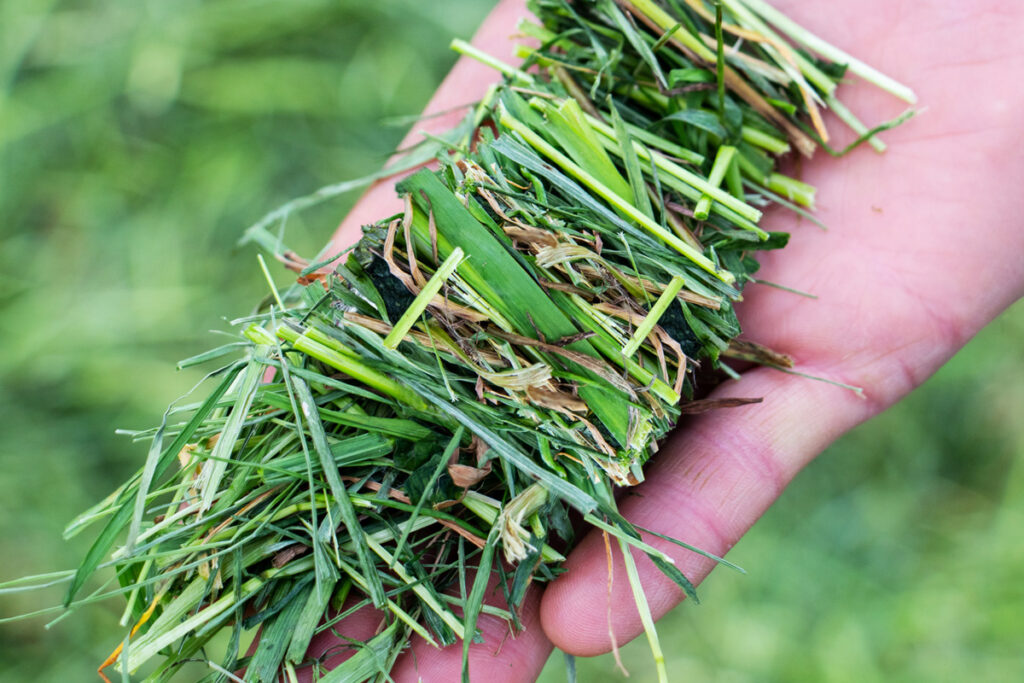
Short and precisely cut feed is the basis for the production of high-quality and high-energy silage. The material in the GÖWEIL baler flows through its own special passageway – the rotor! This feeding system guarantees optimum feed pick-up under all sorts of harvest conditions.

One rotor for all harvest conditions

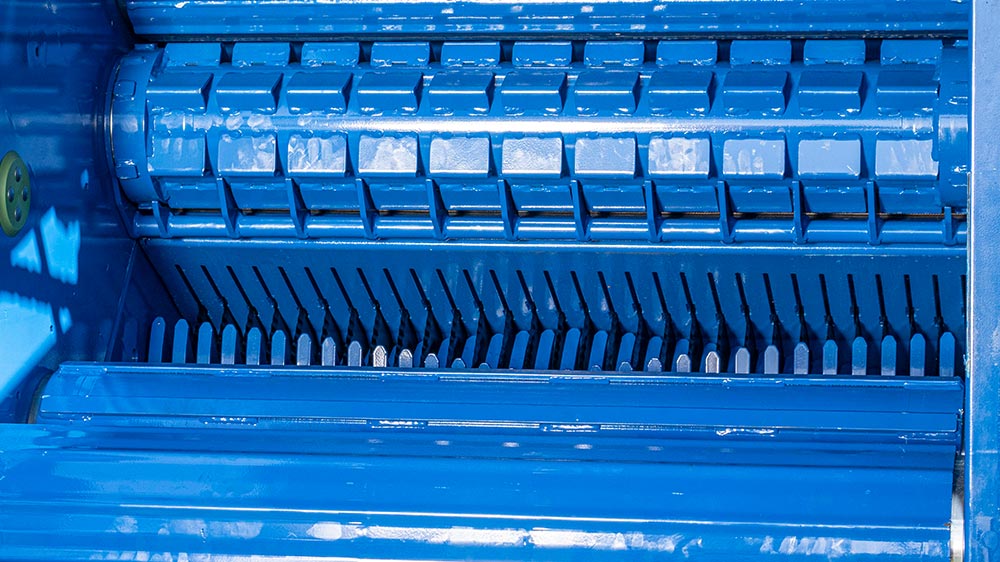
Fitted at the heart of the feeding system is a 6-star rotor that offers enormous absorption capacity. Thanks to its large diameter of 570 mm and the welded-on rows of HARDOX tines, the rotor will always cut the swaths of feed cleanly and convey them reliably into the bale chamber – whether they are large and dry or contain feed that is short and still wet.
Installed in front of the rotor is a mechanically powered feed roller. Precompressing the material with outstanding efficiency, the roller increases the throughput significantly. The newly developed starter roller housed in the bale chamber provides for optimum bale rotation and a reliable start.

Perfect flow of material

The rotational direction of the rotor built into the G-1 F125 is upward. This movement channels the material from the rotor through the cutting unit and into the bale chamber.

Cutting floor & Cutting unit

As the cutting unit is positioned above the rotor, changing the blades is a breeze and can be accomplished without any tools. This offers an advantage that is particularly beneficial in baler-wrapper combinations. The cutting unit is fitted with 30 twin-blade cutting edges and makes it possible to achieve a cutting length of 35 mm. The narrow spacing between rotor tine and knife ensures that the feed is chopped with pristine accuracy. The replacement knife bar allows the operator to carry along 30 replacement knives or change the number of cutting knives as needed. A hydraulic bar safety device protects the knives against foreign objects and moves them immediately into their cutting position.

Auto-Flow-Control (AFC)

The AFC (Auto Flow Control) monitors the entire flow of material and intervenes in fully automatic fashion as soon as detecting a problem in the conveying duct. This ensures that clogs at the rotor or pickup are removed fast and without effort!

Here is how it works:

Unclogging the Rotor

The rotor’s overload safeguard trips whenever the conveying duct for the quantity of feed to be delivered becomes too narrow. The hydraulic cutting floor opens towards the top, and the knives flip back. When the rotor starts up again, the excess material is guided unobstructed into the bale chamber. The cutting floor and the knives subsequently return to their original positions, allowing the feed pick-up to resume without hindrance.

Unclogging the pick-up

An overload safeguard will also be tripped if too much feed has accumulated at the pick-up. Normally powered mechanically, the feed roller will then be briefly driven and supported hydraulically to allow it to keep conveying the material. Concurrently with the feed roller the cutting floor swivels up, allowing the material to find its way directly into the bale chamber.

Bale chamber

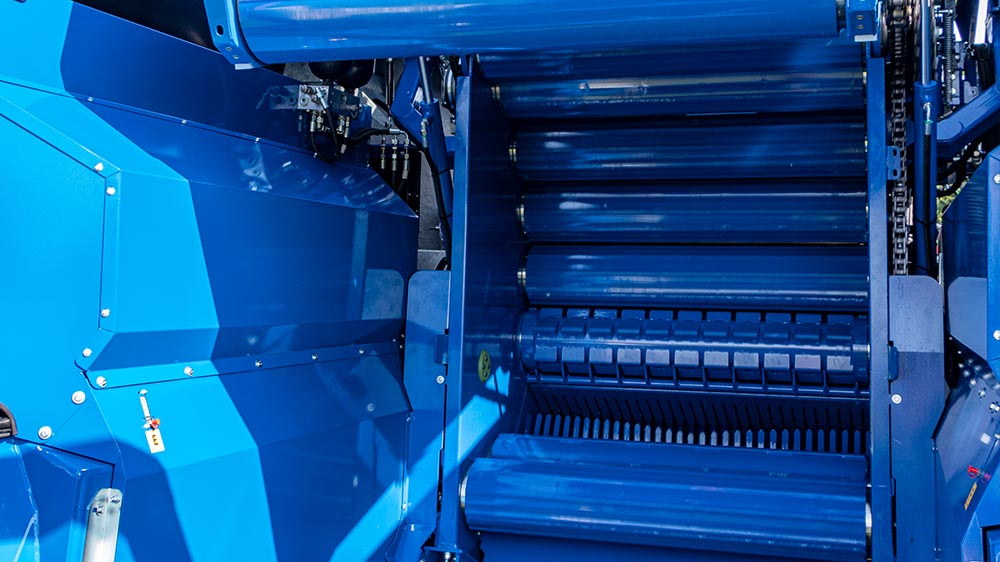
At the core of the machine is the bale chamber, which offers a size of 1.20 m x 1.25 m as well as 18 solid forming rollers. The steel rollers are 4 mm thick and reinforced on the inside, while their ribbed profile ensures supreme bale density and the reliable rotation of the bale.

Bale chambers & Co

Two drive rollers with a shaft diameter of 65 mm and the additional roller shafts with a diameter of 60 mm run continuously on double-row pendulum roller bearings and provide for exquisite stability and an exceptionally long lifetime. A specially designed labyrinth prevents dust and dirt from penetrating.

Starter & Cleaning Roller

Situated directly behind the rotor, the starter roller provides for the best possible bale rotation and a reliable bale start thanks to its special profile – whether the material is silage, hay or straw. A cleaning roller feeds any material that has dropped down back into the bale chamber – keeping the machine from becoming soiled.

Tailgate

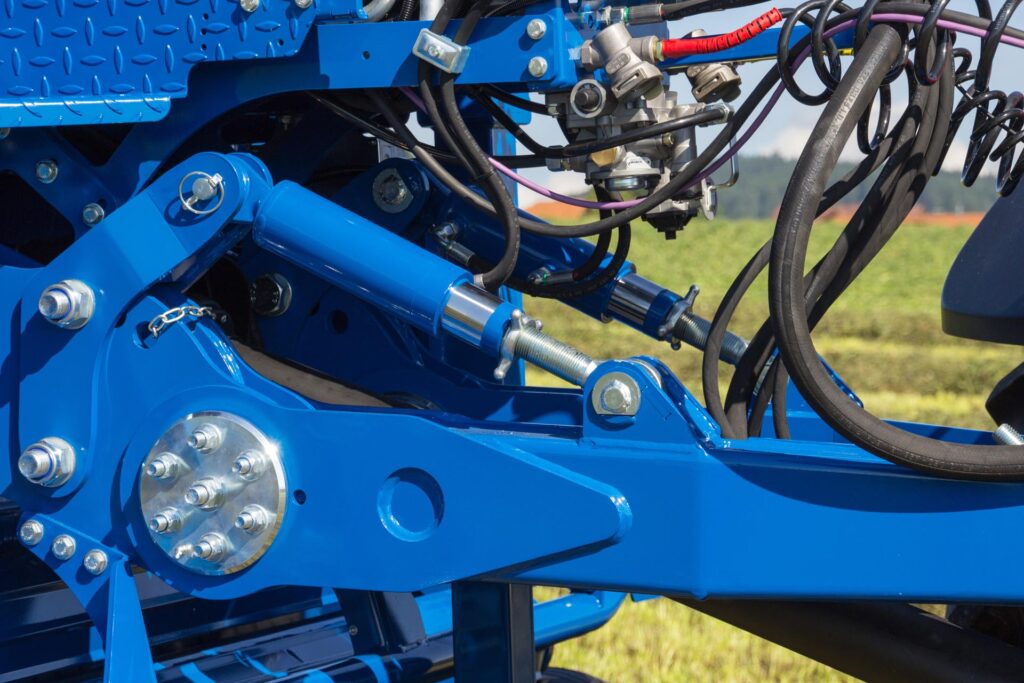
The tailgate opens and closes with the help of two hydraulic cylinders. Depending on the program setting, the process will be completed automatically or manually.

Film- & Net binding

The round baler is equipped with film and net binding as standard. In addition, a dual binding unit is available for film and net.

Film binding unit

The use of a wide film offers decisive advantages that enhance the quality of the silage:

  • A wide film produces bales that are more compact and better protected by the film layers. This film also provides an additional barrier preventing oxygen from penetrating.
  • Opening and recycling the bales becomes easier as the wide and the wrapping film can be disposed of jointly.

The operator can insert common wide films and nets with a width of up to 1.50 m. Binding can be started automatically or manually. The hydraulically adjustable brake roller ensures that the bale is wrapped tightly during net and film binding. The brake pressures and the number of layers can be set directly using the control.

Twice the binding in half the time

Equipped with the world’s first dual binding unit, the G-1 breaks new ground for round balers. This optional binding system wraps the finished bale simultaneously in two nets or wide films. The result: This feature cuts in half both the time required for binding the bale and for changing the net or film! Reducing the workload significantly, this time savings will be much appreciated especially on the busiest days of the harvest. If the operator needs to alternate between silage, hay or stray bales on the same day, the machine offers them the option of using the dual film binding unit as a single binding unit. In this case, the dual binding unit is loaded with one net roll and with one roll of film. The operator simply uses the terminal to set one binding unit up for net binding or the other unit for film binding. Changing the film or the net does not cause any unnecessary idle time!

Drive axle

Round baler for mountain areas

Available as additional equipment, the drive axle is of tremendous benefit especially during work in steep slope positions. It provides a powerful, yet soil-preserving push uphill, while supporting the braking action during downhill travel. The driver can concentrate fully on the work.

The drive axle offers maximum safety and superior comfort in any slope position – uphill and downhill.


The sensor system integrated in the drawbar controls the operating states – Drive, Neutral, and Brake – in a completely autonomous way. The driver can rely on the system providing maximum traction at maximum soil protection, allowing them to solely concentrate on their work. A clearly organized display continuously informs the driver of all relevant parameters.


The drive is powered hydraulically by two radial piston / wheel hub engines. The switch between forward and reverse is initiated automatically by a signal given from the tractor. The percentage of the driving force with which the drive is supposed to power the machine in first and second gear is controlled via the terminal.

When the machine is driving uphill – either in reverse or forward – the drive switches automatically from drive mode to hydrostatic brake mode. To prevent the wheels from locking up, the speed of the two drive wheels is constantly monitored and readjusted automatically. This ensures that the wheels are constantly in motion during uphill travel (ABS).

When the machine is traveling on the road, the radial piston engines are automatically released mechanically and will freewheel (no mechanical resistance).

Drive

GÖWEIL's split drive concept ensures that the "Automatic Flow Control" (AFC) runs smoothly and guarantees a particularly high throughput rate.

No Downtime!

The power transferred by the PTO drive shaft to the main gearbox is spread across the drive chains of rotor, pickup and bale chamber and safeguarded individually by two cam switch couplings. The couplings are monitored by the ISOBUS program control.

When the cam-type clutch of the rotor responds to an excess quantity of feed in the conveying duct, the hydraulic cutting floor will open in fully automatic fashion. When the rotor starts up again, the excess feed is guided unobstructed into the bale chamber. The cutting floor closes automatically, allowing the baling process to resume without hindrance.

When the cam switch coupling responsible for the bale chamber trips, the tailgate will open automatically by a few centimeters and allow for the bale to be started and bound without hindrance.

The drive train conceived by GÖWEIL provides for a smooth work flow.

Maximum performance thanks to high-tensile chains

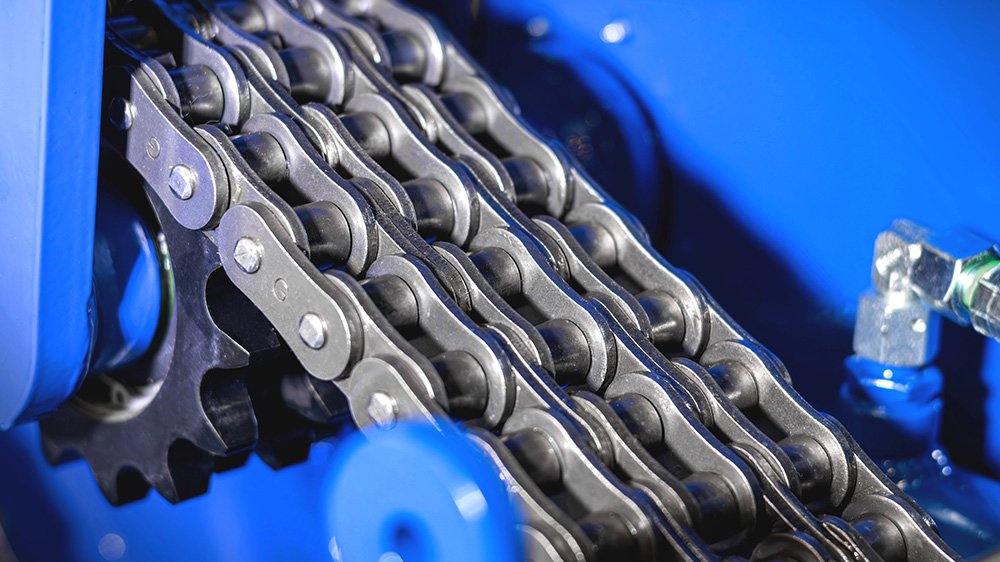
High-quality components are an essential prerequisite for the drive train’s smooth and trouble-free operation. The chains used for the main drive and for driving the pickup and the rotor in the machines of the latest generation have been increased in size yet again in order to boost the performance of the drive system even further. This extends the lifetime of the machine considerably and reduces the operation costs to a minimum.

Well-built roller bearings

All baler rollers are fitted with sturdy and durable double-row pendulum roller bearings with a diameter of 60 mm. Additionally, the two drive rollers are equipped with 65 mm bearings.

ISOBUS Control

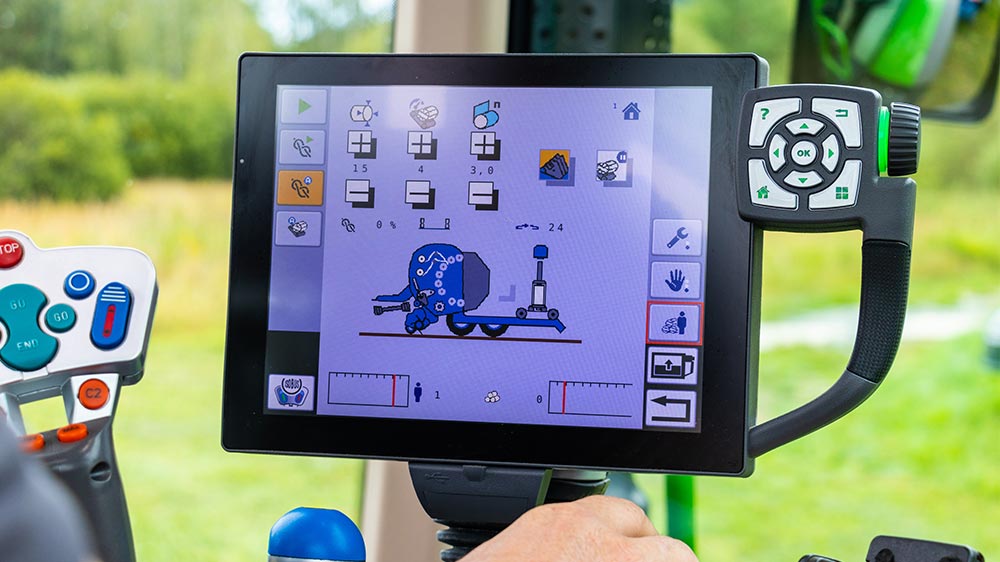
ISOBUS is an internationally standardized protocol that is in charge of the communication between the tractor and the mounted implements. It allows for the real-time display of the data on the terminal housed in the tractor. The operator uses the terminal to monitor and control the machine. A standardized plug connection system has now eliminated the need for using more than one terminal for different implements.

GÖWEIL is making this baler generation available with ISOBUS as the standard option. The interface of the control is clearly arranged and easy to use. What is more, the color display shows a greater amount of information. The camera system affords the operator a good view of the work flow and the machine.

The following terminal is available as an option for GÖWEIL:

  • ISOBUS terminal G7 (7.0") with 10 buttons and encoder

The machines are, of course, compatible with all other ISOBUS-capable terminals.
ISOBUS monitors and controls the entire work flow in fully automatic fashion. The clearly organized display keeps the driver informed about all steps processed by the machine. It is also possible to control all relevant work steps of the machine – quickly and easily – by hand using the terminal.

The control panel with push buttons used for the G-1 F125 and the G-1 F125 Kombi comes in particularly handy when the wrapper requires maintenance and servicing. This way, the operator can control the most important functions directly at the machine.

Maintenance

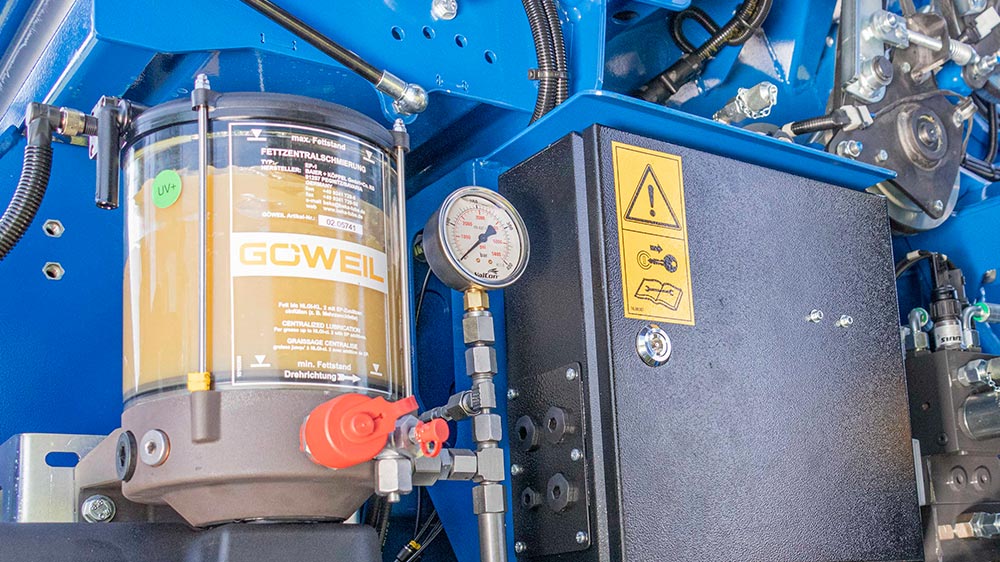
A standard feature on the machine, the automatic central lubricator is designed to deliver superior ease of maintenance and ensures an exceptionally long lifetime for the machine.

Maintenance-Free thanks to central lubricator

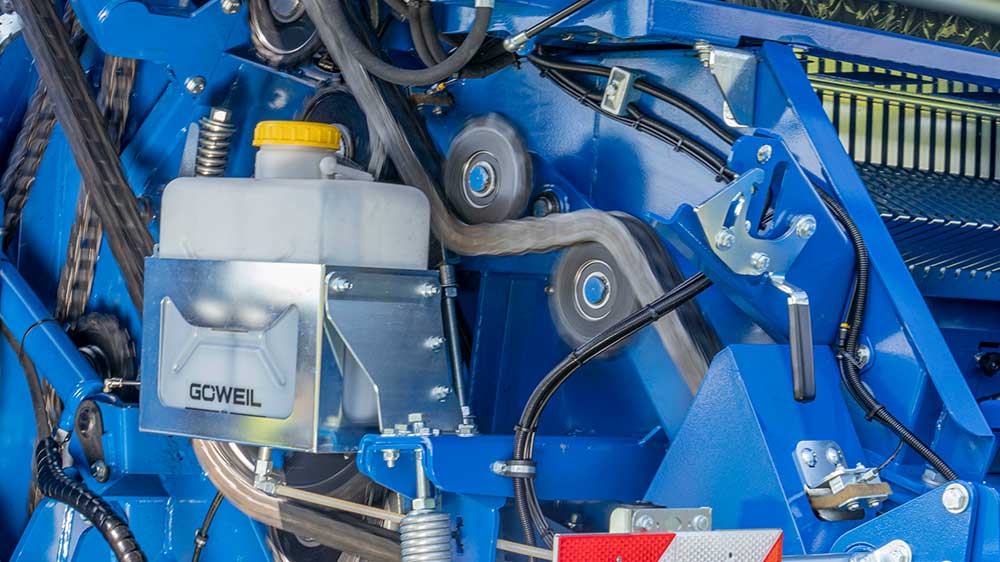
The fully automatic grease lubricator is used to supply sufficient lubrication to all bearings of the rollers and of the rotor. The oil lubricator provides a constant supply of oil to all chains on the bale chamber, the rotor and the pickup. Brushes spread the oil evenly across the chains.

Sufficient Supply

The large-size reservoirs for grease and oil provide for long service intervals.

Wrapping Technology

The robust and solid construction and workmanship of the frame guarantee an exceptionally long lifetime of the baler-wrapper combination. The G-1 F125 Kombi offers outstanding agility and is gentle on the grass thanks to its compact design and the narrow spacing of its wheelbase. In addition, its low center of gravity allows for a level of maneuverability on slopes that is second to none.

Chassis

The tandem axle chassis is distinguished by its even larger-sized wheels: Its comes standard with 560/45-R22,5 Flotation Trac tires made by Vredestein. Uniform weight distribution and the narrow axle spacing allow the baler-wrapper combination to offer superior handling and control. The load on the ground in the field is reduced significantly – which also allows the Kombi to run smoothly at 40 km/h even when traveling over soft ground or on the road. Despite the wider tires, the vehicle width remains at 3.00 m. 
For extreme conditions, 710/35-R22.5 tires from Nokan are available as an option (vehicle width increases to 3.30 m).
Depending on the customer’s preference, the G-1 F125 Kombi can be equipped with a two-line compressed-air brake system or a hydraulic dual-line brake system.

Load Sensing

The standard hydraulic “Load Sensing” control system automatically adjusts the oil volume to consumption. This control system, thereby, not only performs several functions simultaneously, it also reduces fuel consumption at the same time. This results in a greater bale output per hour. The machine can also be operated in conjunction with tractors without load sensing pump.

Control unit with push buttons

The control unit comes in particularly handy when the machine requires maintenance and servicing. It allows the operator to control all functions directly at the wrapper. This makes such steps as changing the film quick and easy.

Twin wrapping arm with film stretching unit

The twin wrapping arm is equipped with two 750 mm film stretching units. Three patented plastic rollers provide for uniform stretching. What is more, the rollers are not sensitive to temperature. This saves film and guarantees tightly wrapped and airtight bales.
The pre-stretchers are height-adjustable. This ensures that the bales will always be wrapped perfectly around their own center. The quick-release system makes it possible to change empty rolls quickly and effortlessly. The film monitoring unit will cut off the wrapping process if the film runs out or tears. When a roll of films runs out, the machine will automatically switch to single-film mode. During this process, the feed rate of the wrapping table is reduced to ensure an overlap of 50 %. 

Rotating wrapping arm with stationary wrapping table

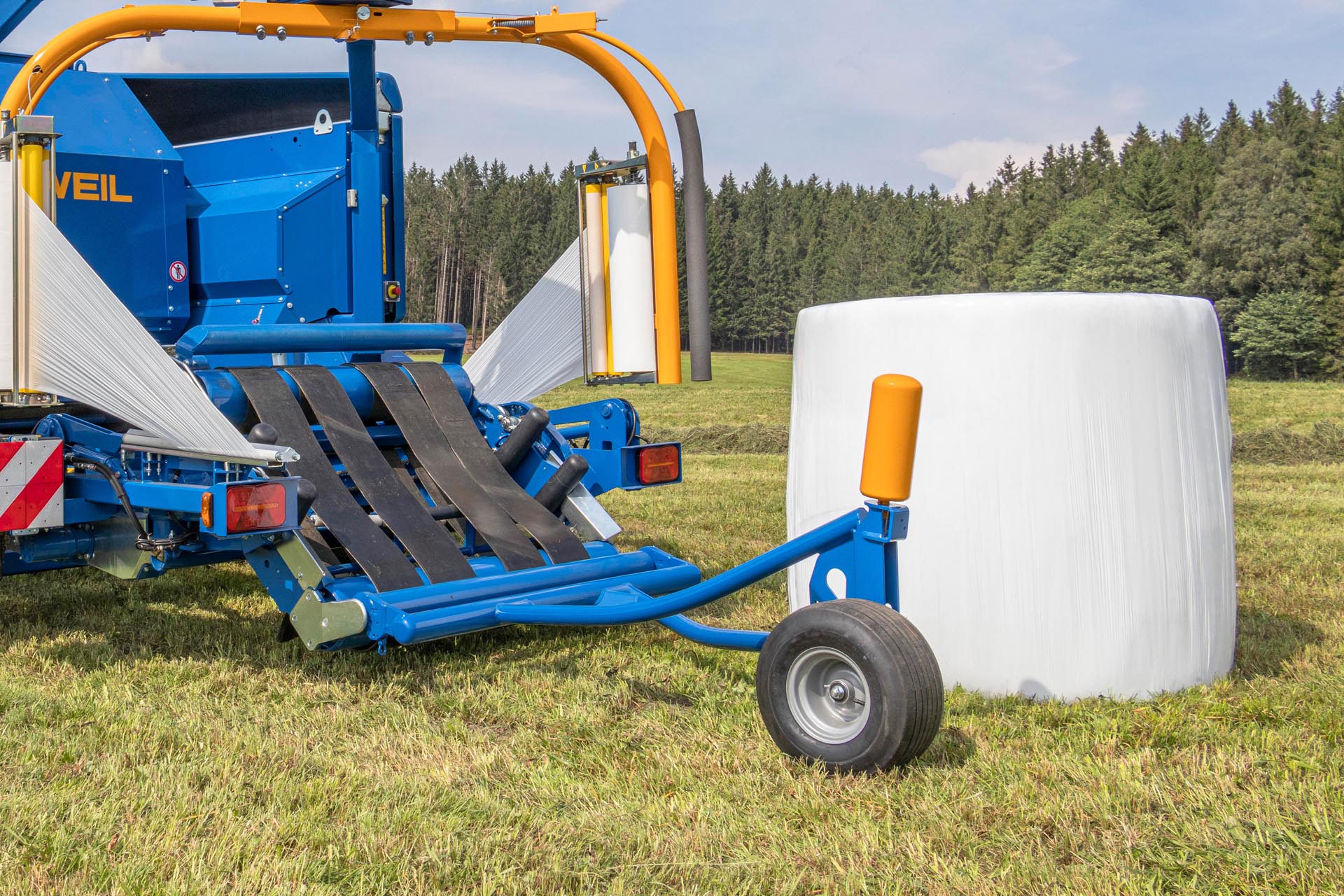
This system reliably prevents the bale from falling off as it is not subjected to any kind of centrifugal forces. The conveyor belts and the four rotating bale guide rollers guarantee that the bale will continually move forward and, consequently, ensure a uniform overlap of the film. When it is time to drop the bales, the mobile wrapping table is lowered all the way to the ground. This provides for a gentle deposit of the bales.

Closed film storage

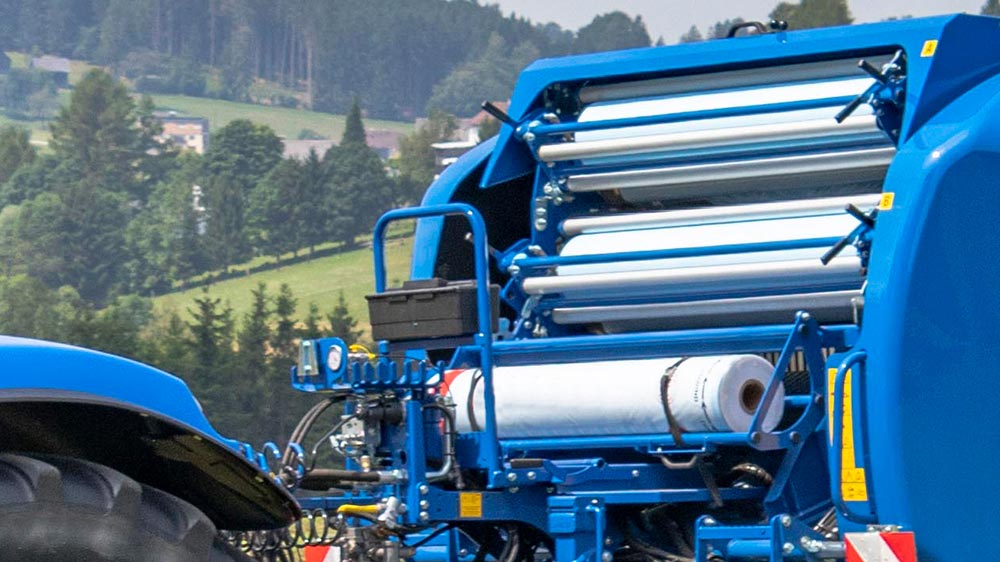
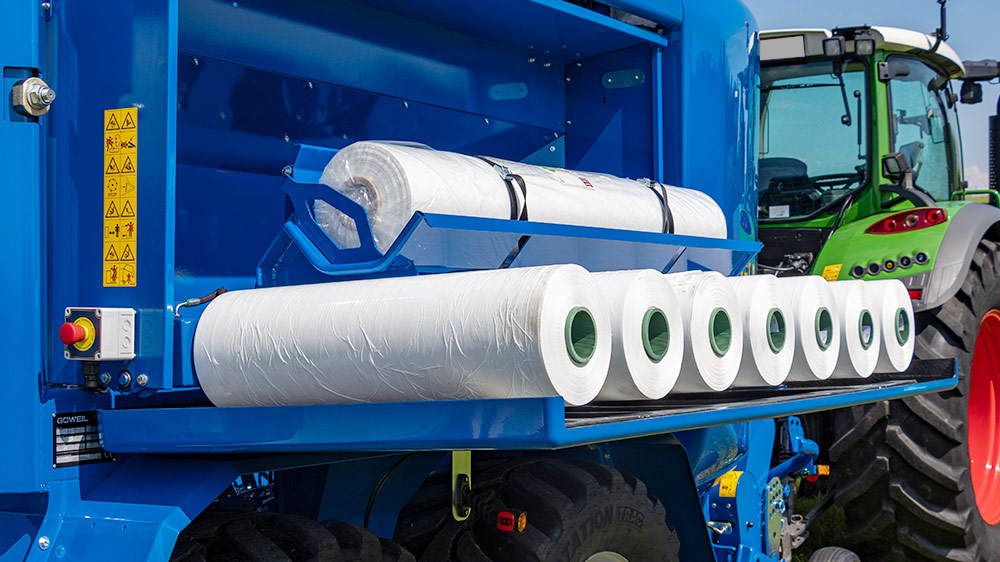
The new film storage scores high marks with its improved design and functionality. The closed, hydraulically folding film storage has space for 14 rolls of wrapping film plus 2 rolls of wide film or netting and keeps the rolls protected against the weather and damage. The tilting device lets the operator load or remove film with ease and at a comfortable working height. This makes it possible to wrap approximately 300 to 400 bales depending on the number of film layers.

Automatic film cutting and holding system

The stainless steel knives guarantee that the wrapping film will be cut cleanly and precisely. At the same time, the films are fixed in place by the cutter lever. Shortly after the wrapping process begins, the standard float position ensures that the wrapping films will unwind easily.

Basic model with EU type-approval

Hydraulic system

Load sensing (can also be operated in conjunction with tractors without load sensing pump)

  • Camless pendulum pickup
  • DIN rake width: 2.20 m
  • Rows of tines: 6
  • Tine spacing: 51 mm
  • Plastic strippers
  • Roller hold-down device with feed comb
  • Touch wheels with pneumatic tires
  • 6-star rotor
  • Hydraulic drop floor
  • Cutting unit with 30 twin blade reversible knives
  • Cutting length: 35 mm
  • Hydraulic bar safety device
  • 18 steel rollers (4 mm) reinforced on the inside (including cleaning & starter roller)
  • Double-row pendulum roller bearings
  • Film and net binding
  • Hydraulically adjustable pre-stretch
  • Automatic monitoring
  • Camera system 2 cameras for monitoring the film binding process

Drawbar

  • Rigid drawbar
  • Tandem-axle chassis
  • Tires: 560/45-R22,5 Flotation Trac
  • Brake system Dual-line air brake system
  • PTO speed: 1,000 rpm
  • AFC Auto Flow Control: split drive concept
  • Split Drive: Overload safeguard with 2 cam switch couplings
  • Chains:
    • Main drive – bale chamber: 24 OH
    • Secondary drive of bale chamber: 100 HSP
    • Rotor: 80 HSP Triplex
    • Pick-Up: 80 HSP
  • Fully automatic central lubricator for grease and oil
  • Fully automatic ISOBUS program control (without touch display)
  • Twin wrapping arm
  • Hydraulic mobile wrapping table
  • 4 bale conveyor belts with belt guide
  • 4 bale guide rollers
  • Film pre-stretcher for 750 mm
  • Film cutter precision cut
  • Film monitoring
  • Single-film mode
  • The closed, hydraulically folding film storage has space for 14 rolls of wrapping film plus 2 rolls of wide film or netting.
  • LED work lights
  • Additional roller for wrapping table

Info & Contact

Technical data (Basic model)

Height – single binding unit
  • without rotating light: 2,820 mm
  • with rotating light: 2,980 mm
Height – dual binding unit
  • without rotating light: 2,820 mm
  • with rotating light: 2,980 mm
Length7,420 mm
Width tires (560/45-R22.5)3,000 mm (9’ 10”) (standard tires)
Width tires (650/40-R22.5)3,170 mm (optional)
without EU type-approval
Width tires (710/35-R22.5)3,305 mm (optional)
without EU type-approval
Weight8,980 kg
Bale dimensions1,20 x 1,25 m

Required connections

Load Sensing connection (for LS mode) or one pressure connection and one depressurized return for the supply of the round baler
Electrical power supply to the machine via ISOBUS connector or the included wiring harness
7-pin socket for the entire lighting system, except work lights

Power requirement of the towing vehicle

Oil requirementFrom 80 l/min at 200 bar
optimal: from 105 l/min at 200 bar
Power requirementat least 120 kW (at least 120 hp)

Additional equipment

Tires 650/40-R22,5 Vredestein Flotation Trac

Width altered to 3,170 mm | without EU type-approval

Width altered to 3,305 mm | without EU type-approval

The bale is wrapped simultaneously in two nets or wide films. This cuts the binding time for the bale in half. Alternatively, the dual binding unit can be used as a single binding unit and loaded with one roller of net and one roller of wide film.

  • Hydraulic articulated drawbar with two double-acting cylinders
Hydraulic pivoting drawbar of the GÖWEIL G-1 F125 round baler
  • Hydraulic articulated drawbar affords the operator an exceptionally smooth ride
  • Hydraulic drive uphill
  • Automatic braking function downhill
  • ABS system
  • Automatic regulation
  • Parameters can be set on the terminal
  • When the wrapping process is complete, the bale will keep turning to allow the film to make better contact
  • For a gentle bale drop onto the field

Bale tipper

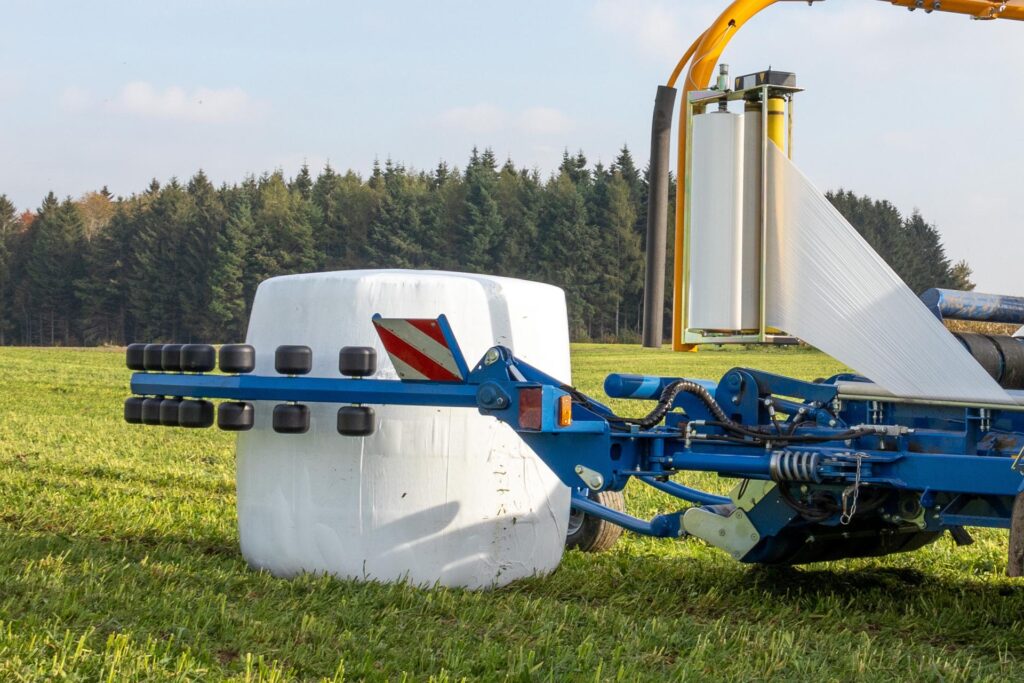
When the wrapping process is complete, the bale is positioned on its right front side with the direction of travel

For safely placing bales, even on slopes.

Bale stopper for the bale tipper on the GÖWEIL G-1 F125

For safe bale deposit on slopes.

Bale catcher on the GÖWEIL G-1 F125 Kombi
  • Dosistar control unit
  • Pump with filter
  • Electronic flow measurement
  • Various nozzles
  • 100 l tank
Silage additive dosing on the GÖWEIL G-1 F125 Kombi

Consisting of compressed air hose and air gun, used for cleaning the round baler
Only in combination with air brake system!

  • Wiring harness is required if ISOBUS is not available on the tractor
  • Customers can choose from a large selection of drawbar eye types

Country-specific additional equipment

Hydraulic dual-line brake system – with emergency brake valve and pressure accumulator

Beacon light

FAQ - Frequently asked questions

How many blades does the G-1 F125 Kombi have?

The cutting unit is fitted with 30 twin-blade cutting edges and makes it possible to achieve a cutting length of 35 mm. 

Thanks to the dual binding unit, the bale is simultaneously bound by two nets or wide films. This cuts the binding time for the bale in half. It is also possible to insert one roll of net and one roll of film, and change the type of binding using the terminal. The single binding unit is used for this method.

The tractor must have at least 160 HP (120 kW) and needs the following connections:
1. Load Sensing connection (for LS mode) or one pressure connection and one depressurized return for the supply of the round baler
2. Electrical power supply to the machine via ISOBUS plug or via the supplied cable harness
3. 7-pin socket for the entire lighting system, except work lights

How heavy is a round bale?

The weight of a round bale depends on various factors, such as the material and bale density.

  • The power requirement from the tractor is at least 120 kW.
  • Yes.

Welcome to GÖWEIL!

Please select your country and language: