The perfect feed
for the highest possible yield in milk and meat production
Lucerne silage (alfalfa):
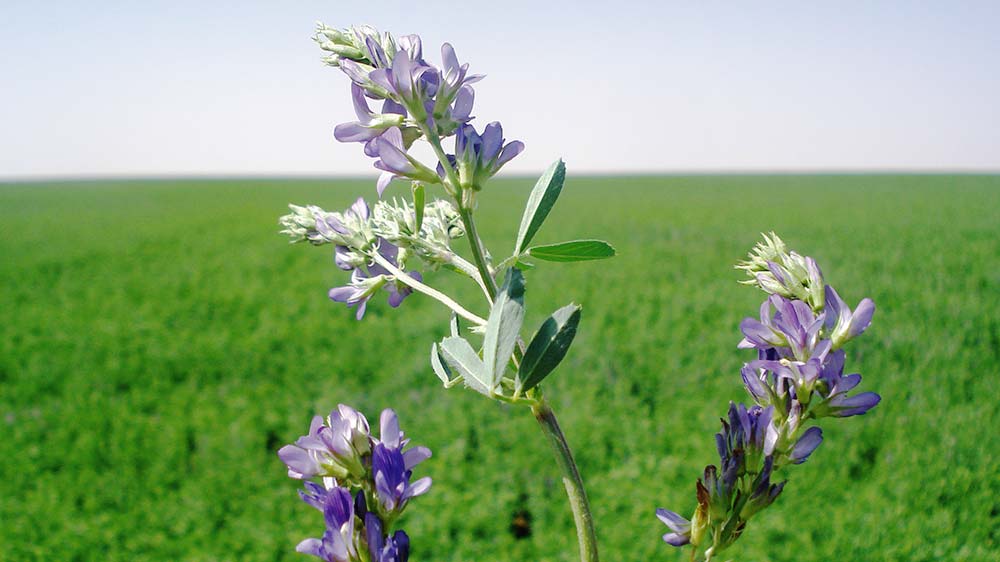
Apart from maize silage, alfalfa silage is one of the most important components in the roughage fed to cattle. High feed consumption and a particularly good structure value have their share in the significant milk yield of the cattle. Apart from guaranteeing high yields, growing alfalfa also improves the quality of the soil. However, as it is low in sugar, alfalfa is difficult to preserve using conventional methods.
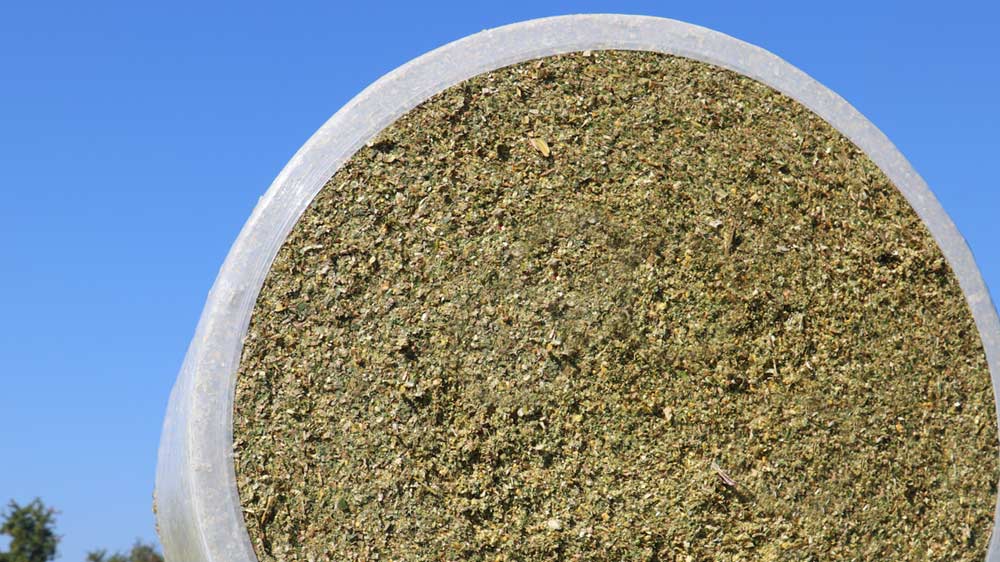
When you form the material into round bales, it is imperative that you provide for a rapid exclusion of air and the perfect rate of compression.
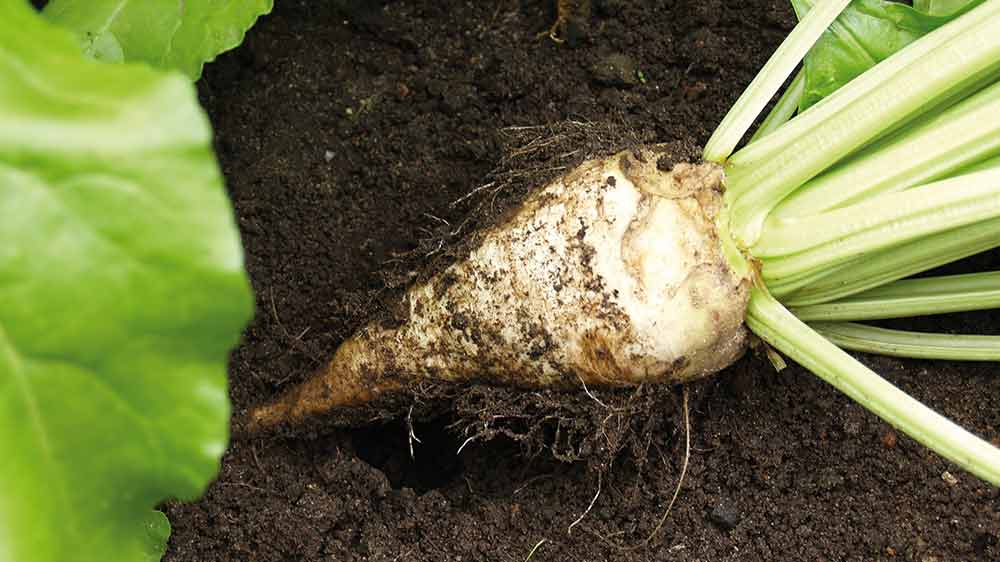
Sugar beet silage:
Silages made from sugar beet pulp are distinguished by their extremely high energy content. They are easy to digest and very palatable. This silage is an ideal supplement to grass silage as it has a negative ruminal nitrogen balance, thus offsetting the protein balance in the rumen. Pressed pulp silages are very low in lactic acid and, consequently, contain little acid overall. It is, therefore, vital for the quality of the silage that it be processed cleanly while still warm and at a high rate of compression.
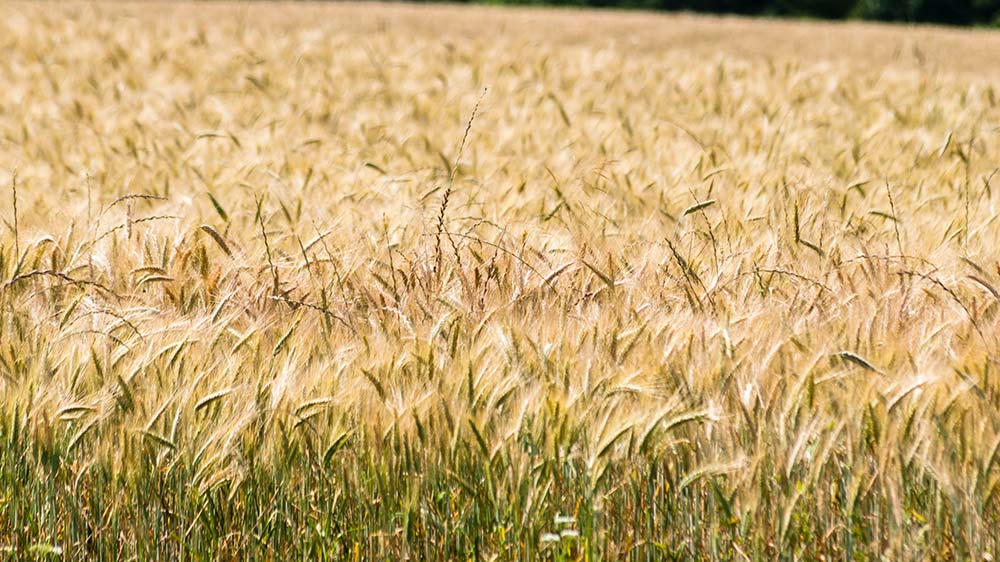
Grain GPS:
Whole crop silages are usually made from barley, wheat or triticale. Their cultivation guarantees high yields and has many benefits when it comes to crop farming. However, grain contains only a very low portion of energy and is difficult to ensilage using conventional methods.
Rapid exclusion of air and a high rate of compression are two factors that are of prime importance during bale production.
Opt for Göweil products to achieve the highest possible feed quality
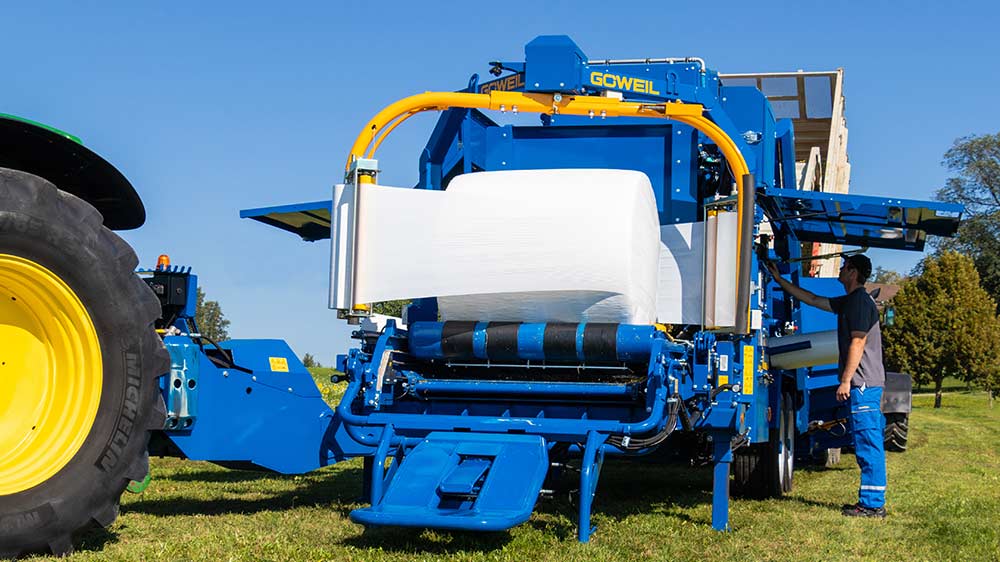
Both the round baler G-1 F125 and the entire selection of wrapping equipment engineered by Göweil are dependable partners when it comes to achieving the highest possible silage quality.
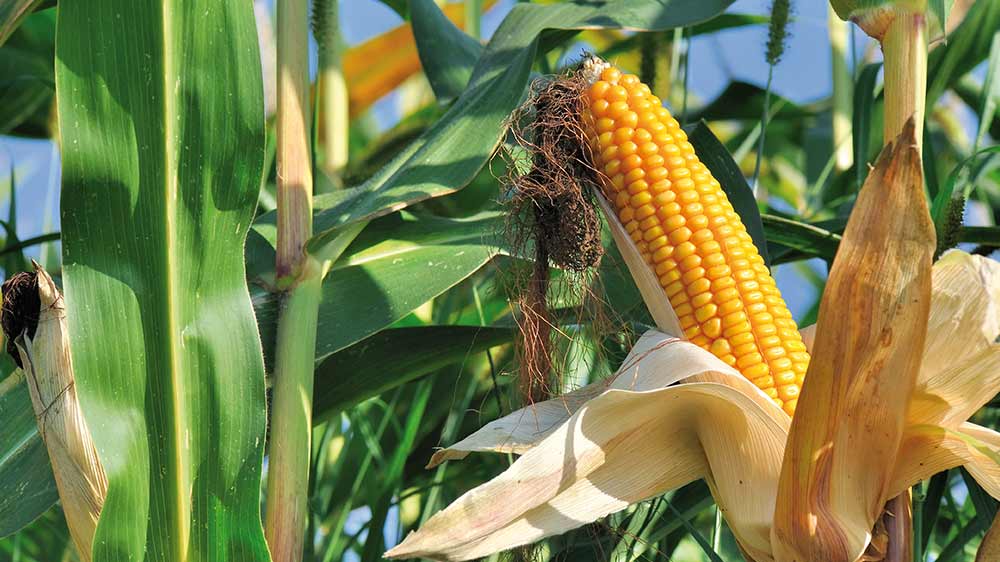
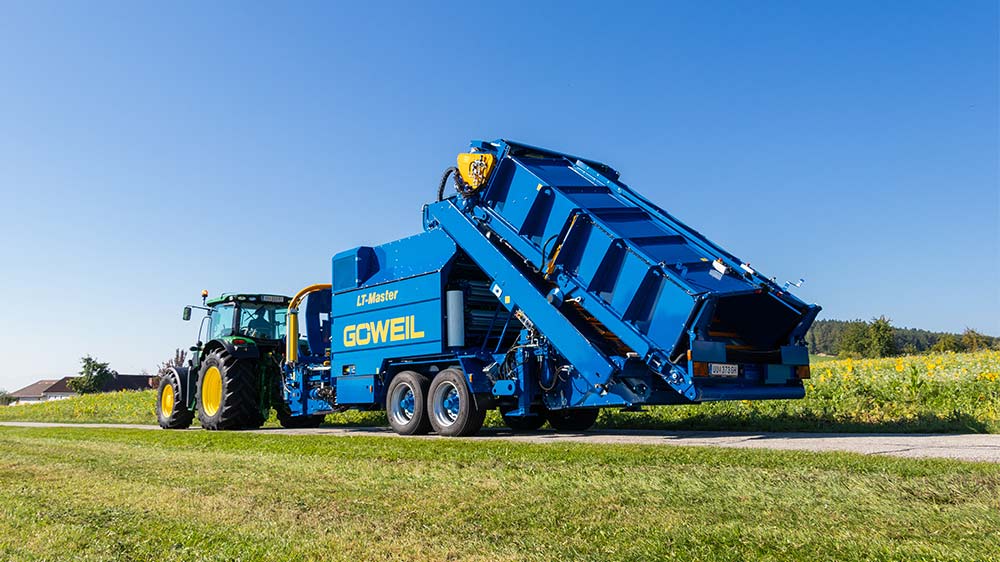
Another machine that deserves special mention in this context is theLT-Master – the FINEST baler-wrapper combination for round bales. This machine makes it a cinch to convert such varied materials as maize, CCM, alfalfa, sugar beet pulp, grain, mixed feed and even materials suitable for industrial applications such as wood chips and garbage into perfectly compressed and wrapped round bales.
The advantages offered by the baler-wrapper combination LT-Master with its efficient ensiling process are immediately apparent:
- Perfect preservation and exceptional feed quality thanks to formidable compression during baling
- Exceptionally rapid air exclusion thanks to an optimized baling-wrapping process
- Perfectly clean production work flow and, consequently, no contamination of the feed
- No risk of secondary fermentation or post-heating
- The result are perfectly compressed and wrapped round bales of first-rate quality, which are not only easy to store and handle but also ideal for use in smaller farming businesses.
If you would like to learn more on this subject, your personal contact will be happy to assist you:


