The perfect cutting length for round bale silage
How can feed losses be avoided?
What cutting lengths are sensible?
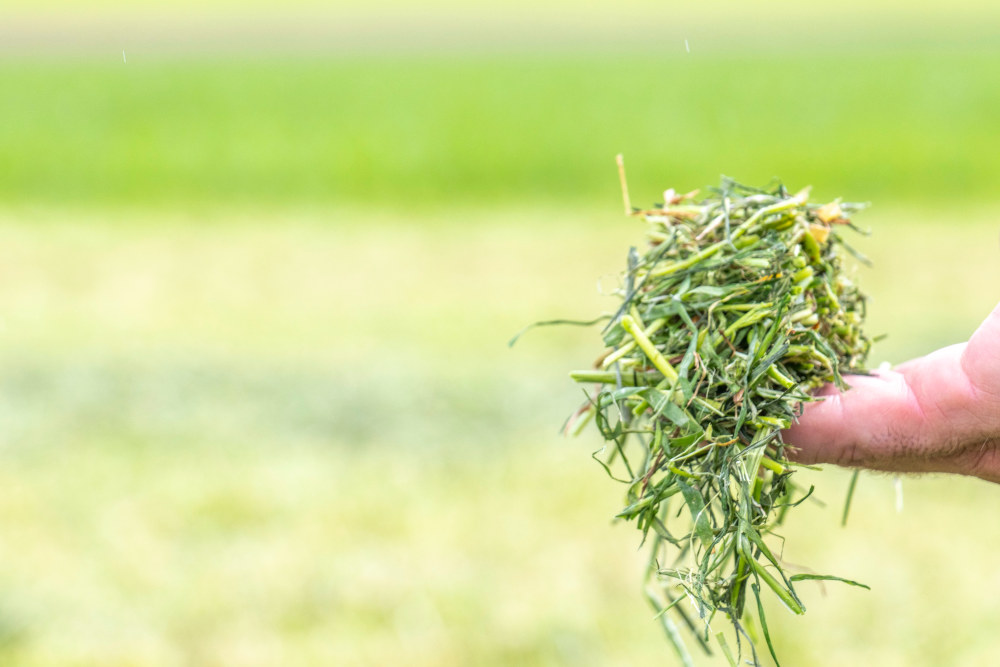
Cutting lengths of between 2 cm and 5 cm are particularly advantageous for grass silage. At this length, the sugar has a wider escape path during silaging, and the pH value is reduced faster. The plant cell can be digested very well at this length, so the cell sap escapes. Plant compound availability is increased, and the lactic acid bacteria are mobilized. Lactic acid is fermented faster as a result. Short-cut silage has low a butyric acid content, while the values found in long-cut feed are twice as high. Good compression, ideal utilization of silo space, lower losses, and fermentation stability can all be achieved when the cutting length is shorter. These points are essentially already optimized in a single process with round bales.
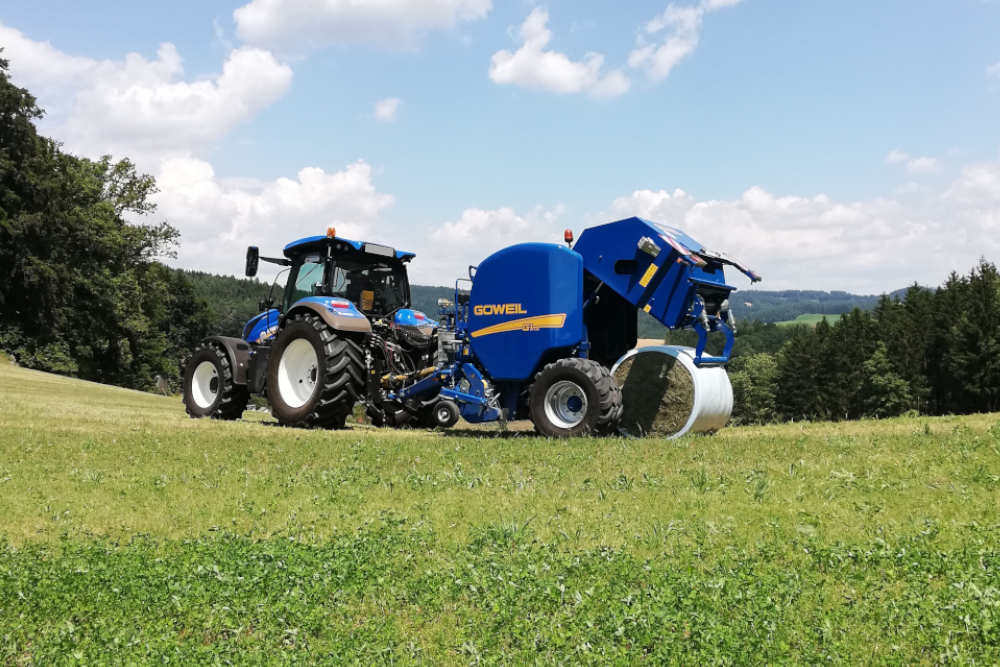
Food intake is also improved as a result. As a general rule of thumb, the drier the cut grass, the shorter the length. Short cutting lengths can be maintained better with a forage harvester than with a silage wagon. With the round baler from GÖWEIL, the ideal lengths are already set exactly and can be maintained with precision. This is an advantage, especially in the case of higher dry matter contents. With conventional feeding systems, the silage is 2 – 4 cm long, depending on the dry matter content and vegetation period.
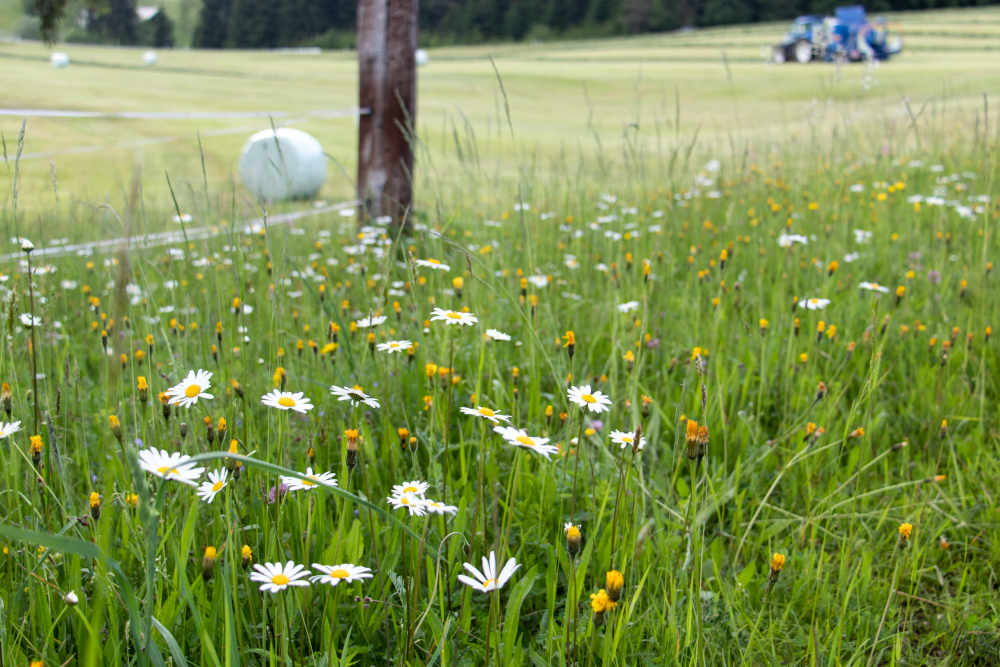
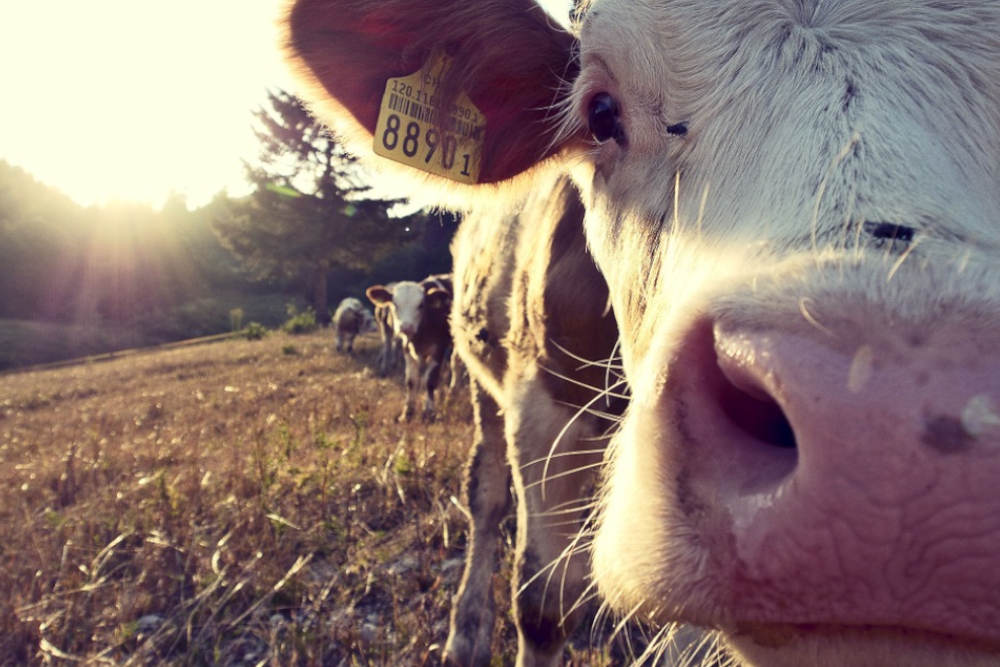

How can feed losses be avoided when using grass silage?
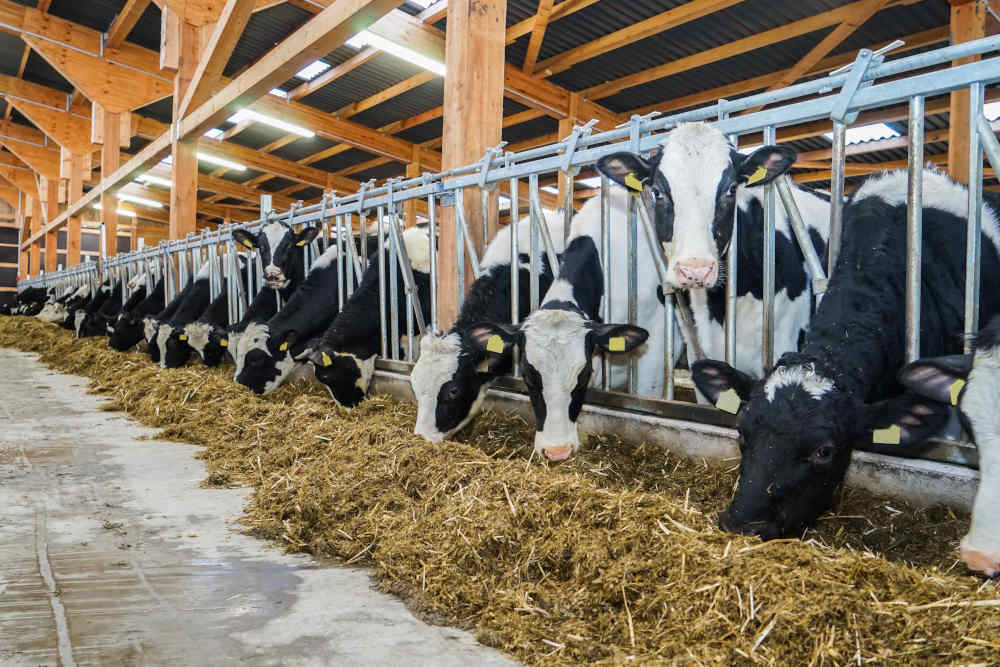
The round baler has now become the natural choice for grass silage production. Alternatively, if there is no cutting unit, grass silage is chopped using a forage harvester. The cutting length has a significant influence on feed intake. It is possible for cows’ milk yield to decrease despite the fact that they are fed high-quality silage. One reason for this might be that the silage is the wrong length, so the cows don’t like to eat it and reject it. The calculated ration’s potential is no longer exploited. Good organization and preparation is one way of fixing this issue. Then, the cows would prefer eating the feed and be less selective. High feed intake is guaranteed if the ‘length’ factor is included in the silage chain from the very outset. But it’s important that the feed isn’t too short (less than 2 cm) either, to ensure the ration’s structural effectiveness is not lost. Cows are quick to respond to a lack of structure – and they do so by demonstrating a lower feed intake, which causes the fat content of their milk to drop. They may also develop metabolic disorders further down the line. Silage removal and presentation can also cause the length to change.
How do you achieve an equal cutting length?
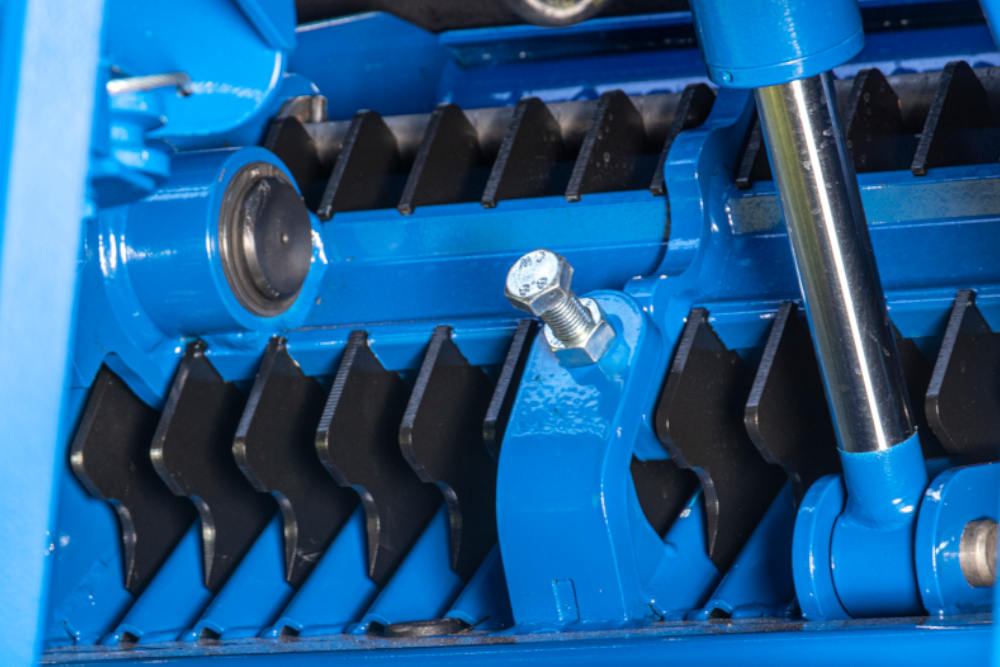
Whatever the silage chain looks like, good communication in advance is important. In this respect, it must be clarified what cutting unit and what cutting length are available for the round baler. Our G-1 F125 is in the perfect range with its exact 35 mm cutting length. If there is no cutting unit, a forage harvester must be used to cut the grass. It should be noted in this respect that many machines can be fitted with only half of the blades. If the length you would like is 4 cm, the machine should be set to 2 cm when only using half of the blades. This is often an unknown fact that ultimately leads to double the silage length and poorer feed intake. The cutting length must always suit the dry matter content and the yield.
Conclusion
Lengths over 5 cm already result in a deterioration in quality during silaging. Meanwhile, during the subsequent feeding process, cows’ milk yield may decrease on account of them selecting unsuitable lengths. Cutting lengths that are too short also lead to a reduction in feed intake. Coordination with contractors and the drivers in advance brings about high silage and feed quality. When round balers are used, the conditions are precisely matched to the requirements, thus once again saving a great deal of time. Using the shaker box also helps to perfect the feed production process. We don’t have any reference values yet for the perfect grass silage distribution with the shaker box. Feed advisors or contractors can provide useful tips and experience in this respect for correct processes and results. High milk yields can be maintained and achieved by using the ideal cutting length. This also has a positive impact on basic feed performance and animal health. Costs are minimized. An additional silaging log outlines conclusions and evidence for future cuts.


