Layout Test
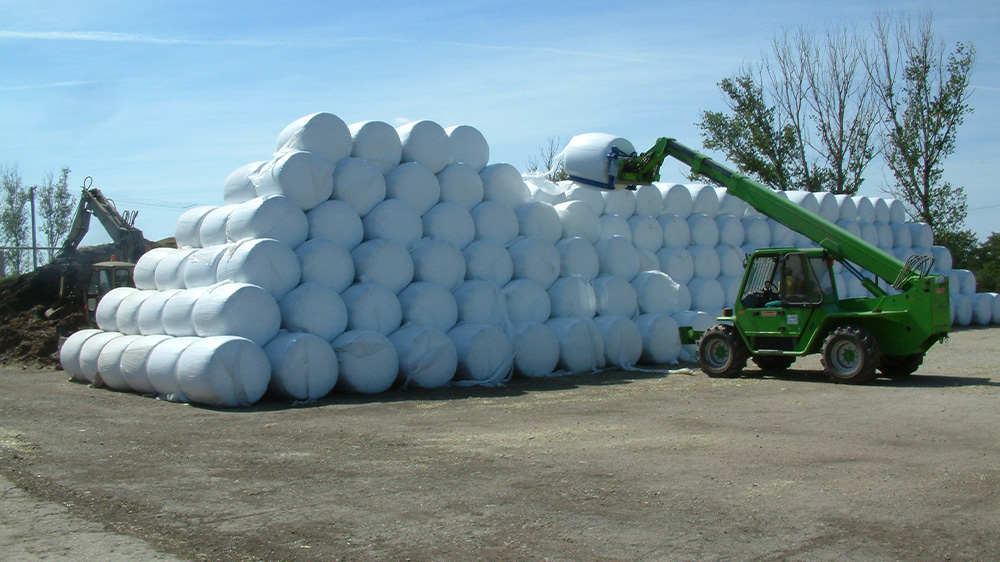
Siloballen sind für viele landwirtschaftlichen Betriebe ein wesentlicher Bestandteil in der Futterversorgung. Gras, Klee, Luzerne oder Mais werden nach der Ernte zu Silage verarbeitet und in Form von Siloballen über das Jahr verteilt an die Tiere verfüttert. Die richtige Lagerung spielt dabei eine entscheidende Rolle, um die Qualität des Futters über lange Zeit zu erhalten. Von der Wahl des Lagerplatzes über den Transport bis hin zur Stapelung gibt es viele Faktoren zu beachten.
Careful ensiling is essential
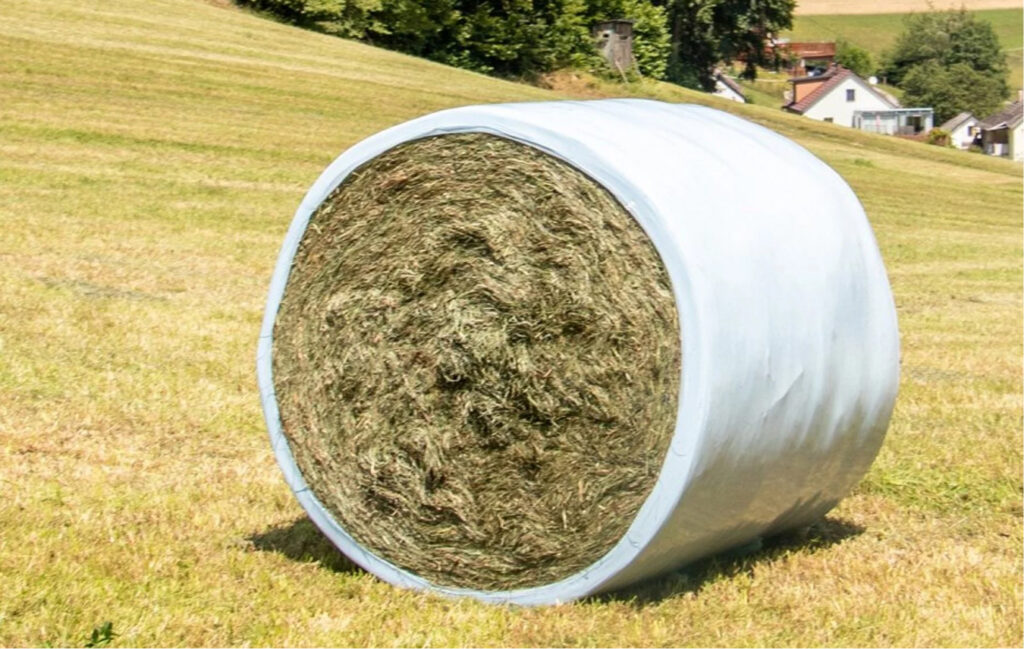
Ensiling preserves grass, maize and other crops in the absence of air. The success of ensiling depends on several factors, including the right time to cut the crop, ideal dry matter content and quick, airtight sealing of the bale. A suitable silage additive can also support the process and reduce nutrient losses.
Only properly ensiled bales remain high quality for months and provide nutritious feed. An insufficiently compacted or poorly sealed silage bale can quickly develop mould and lose valuable nutrients. Care is therefore essential throughout the ensiling process to ensure the best possible feed quality.
Transporting silage bales
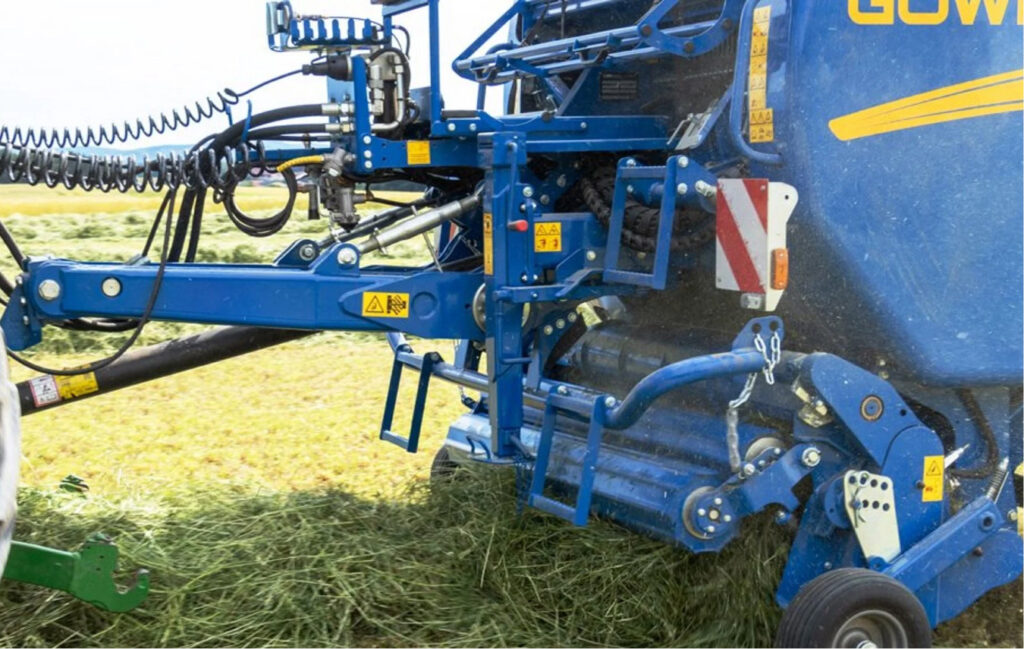
Transporting silage bales requires careful planning and suitable machinery. It is especially important to avoid damaging the bale film in transit: even small tears can let air in and spoil the silage.
Special bale grabs that distribute pressure evenly are ideal for safe transport. Stretch film is very sensitive at high temperatures (above 20 °C), so it is best to move bales during the cooler morning or evening hours.
Secure bales on longer journeys to prevent them from shifting in transit. Move them to their final storage site as soon as possible to avoid unnecessary handling and damage to the film.
Storing silage bales correctly: site, stacking and more
Proper storage of silage bales begins with choosing the right site:
Level storage site
Ideally, the storage site should be level, firm and free of sharp objects that could puncture the bale film.
Dry ground
Dry ground helps prevent moisture from entering the bales and causing mould.
Avoid direct sunlight
Avoid storing bales in direct sunlight, as UV radiation makes the film more permeable to air over time.
Three layers
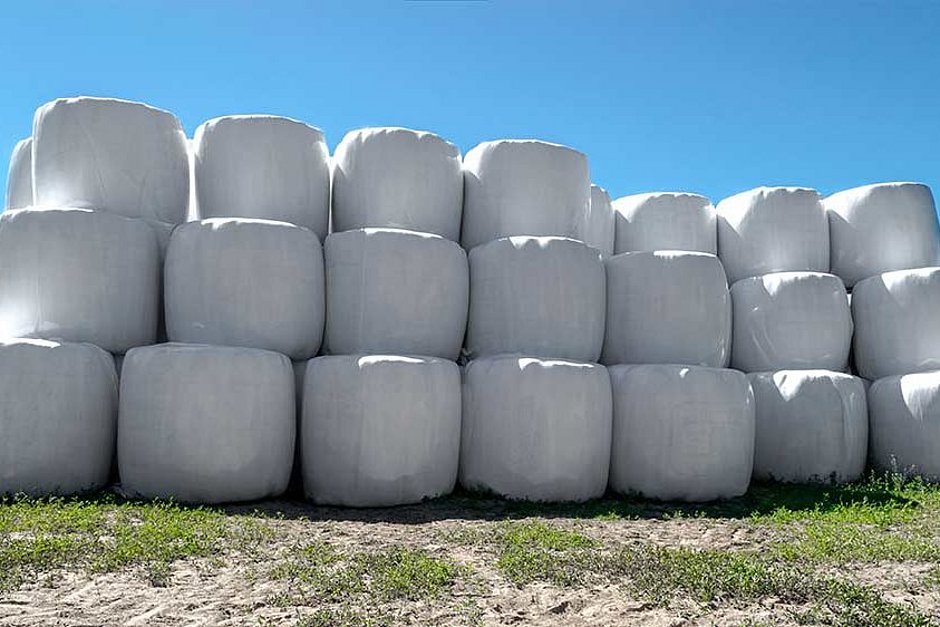
Ideally, stack silage bales no more than three high to minimise pressure on the bottom bales.
Flat side
Stack bales on their flat sides to prevent them from slipping.
Additional cover
An additional net or tarpaulin can protect bales from birds, wind and heavy rain.
Where can silage bales be stored?
Where silage bales may be stored matters for both environmental and legal reasons. Keep bales as far from bodies of water as possible to reduce the risk of pollution. Many regions also have specific rules for storing agricultural products. Before storing bales, farmers should make sure their chosen site meets the applicable requirements.
How long do silage bales keep?
Under optimal conditions, silage bales can be stored for up to two years without a noticeable decline in feed quality. Their shelf life depends above all on the condition of the bale film. If the film is damaged, air enters and the silage begins to spoil. Regular checks of the bales and prompt repair of damaged film can considerably extend storage life.
Benefits of silage bales
Silage bales offer several advantages over other feed storage methods:
Flexible storage: Bales can be stored separately and require no special structures such as silos or storage buildings. Almost any firm, level surface will do, which is particularly helpful on farms with limited storage space.
Lower feed losses: Each bale is sealed and wrapped airtight, preserving nutrients. Taking out individual bales as needed reduces the feed losses that often occur when larger silos are opened.
Lower investment costs: Producing and storing silage bales often costs less than buying and maintaining fixed silo systems. No permanent infrastructure is needed, and bale making equipment can be used flexibly.
High feed quality: Airtight wrapping keeps silage fresh and nutritious for a long time. Controlled fermentation helps prevent mould and rot.
Use as needed: Bales can be removed and used individually, allowing feed to be supplied in targeted, small quantities and making feed management more flexible.
Do you have more tips on bale storage or photos of well stored silage bales?
We would be happy to include them in this article.
Send your tips or photos to marketing@goeweil.com


